

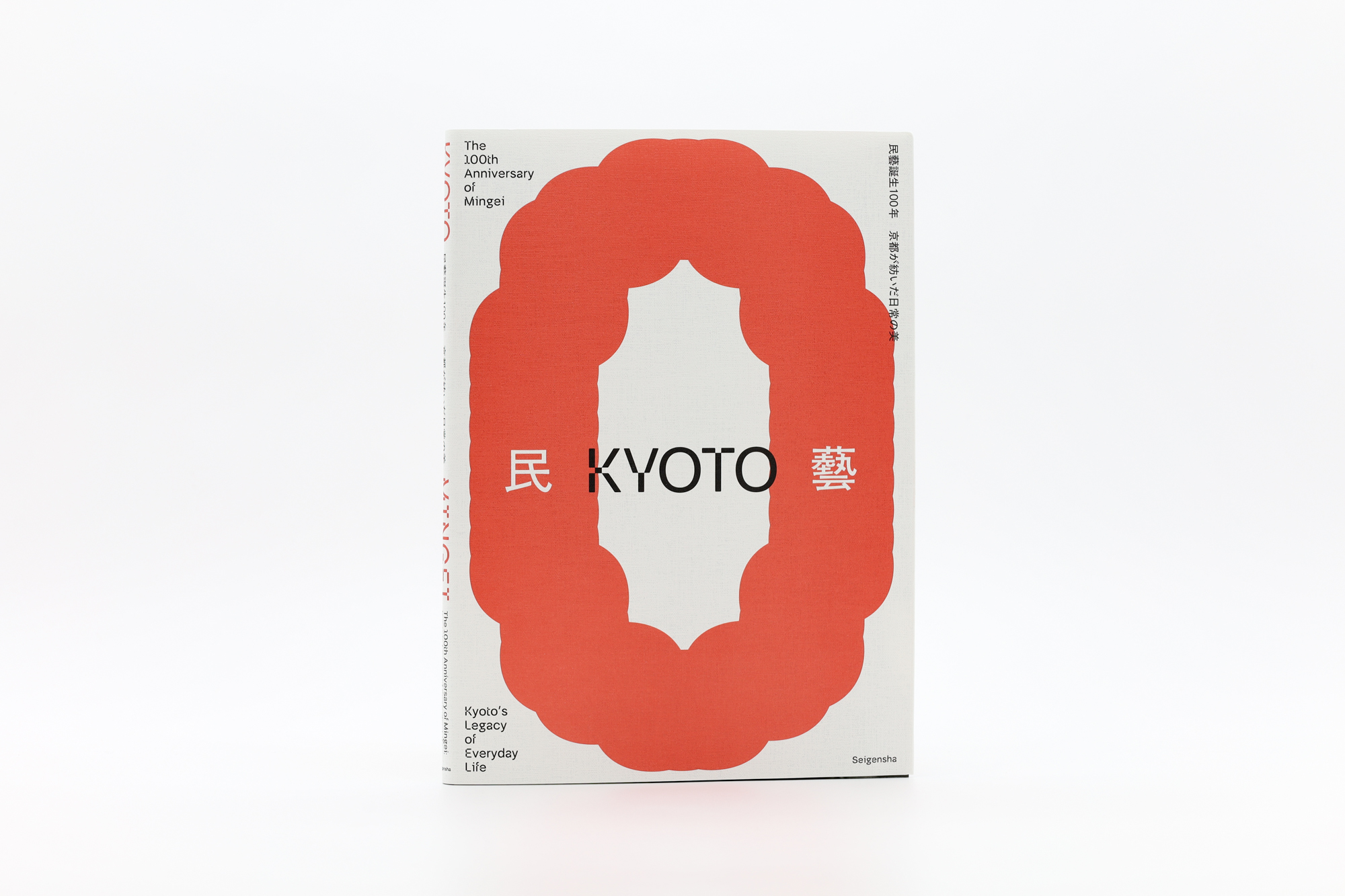
The 100th Anniversary of Mingei: Kyoto’s Legacy of Everyday Life

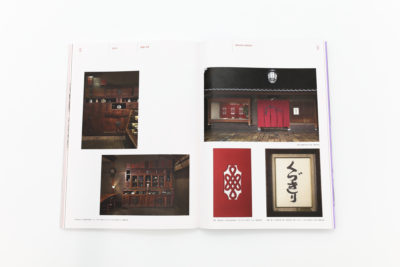

- Price:
- 3,000 yen (JPY)
- Edited by:
- Kyoto City Kyocera Museum of Art
- Language(s):
- Japanese and English
- Size:
- 257 × 182 × 10 mm, 40 g
- Pages:
- 184
- Binding:
- softcover
- Release date:
- 20251013
- ISBN:
- 978-4-86831-024-2 C0072
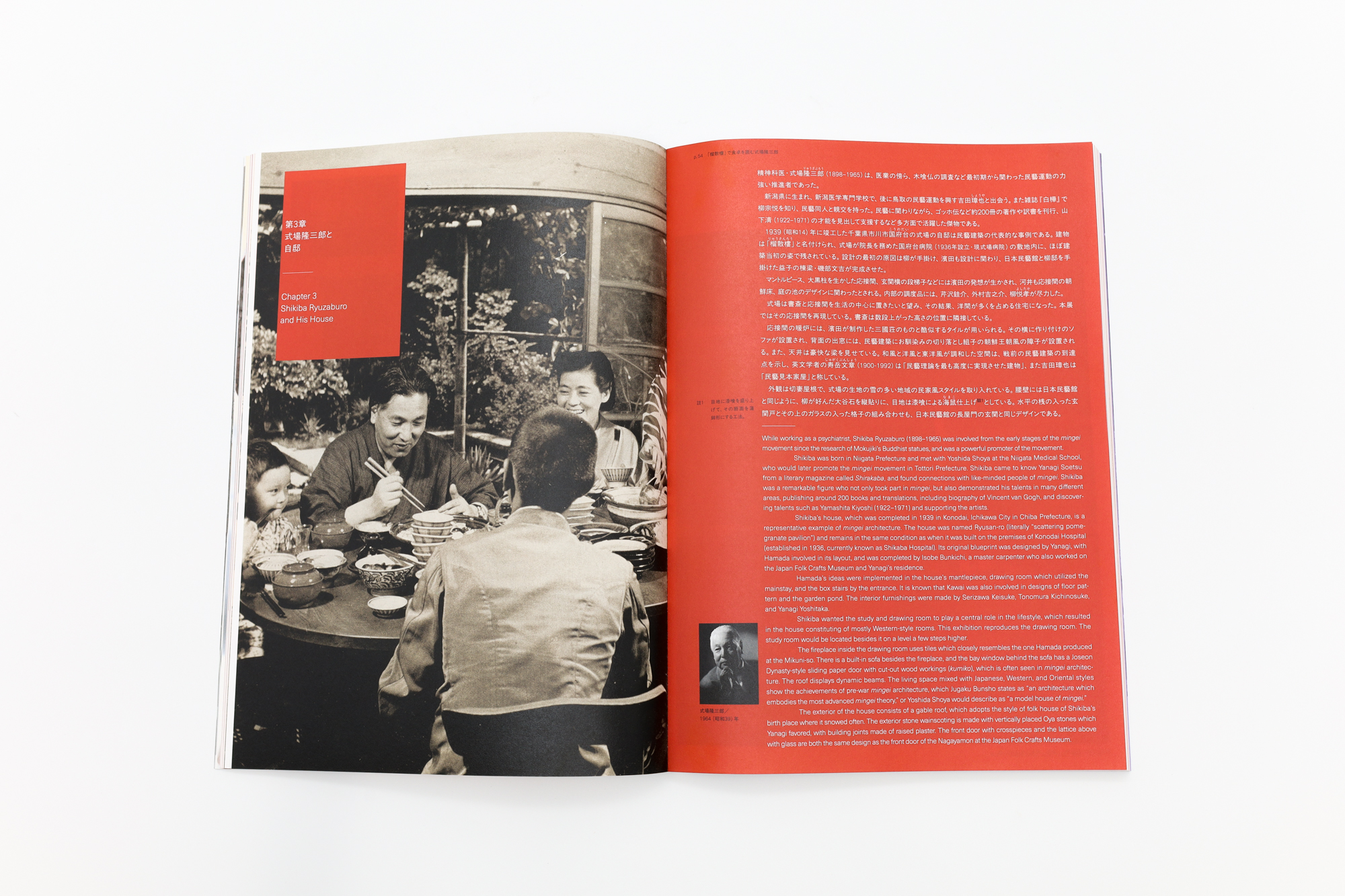
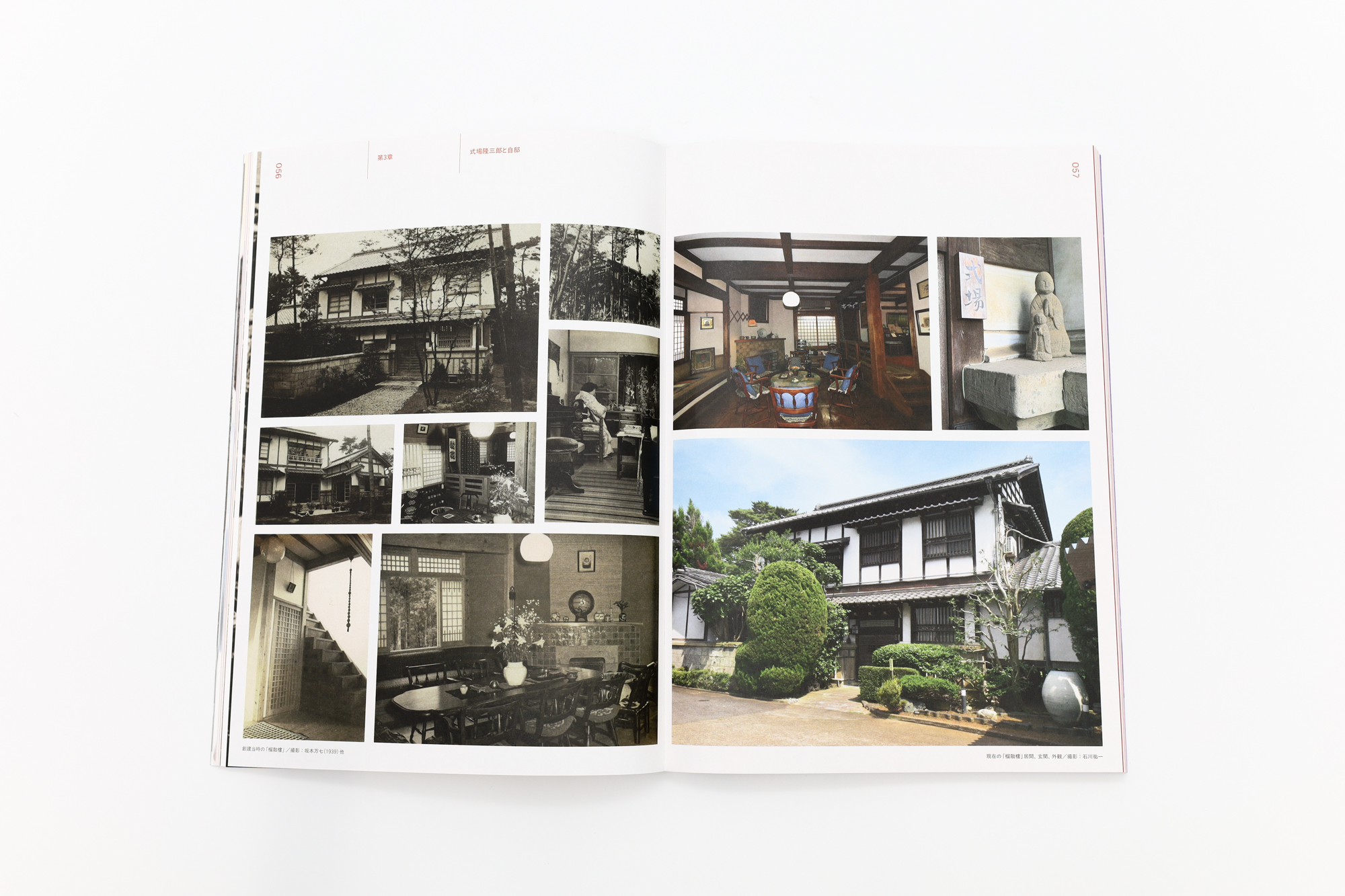
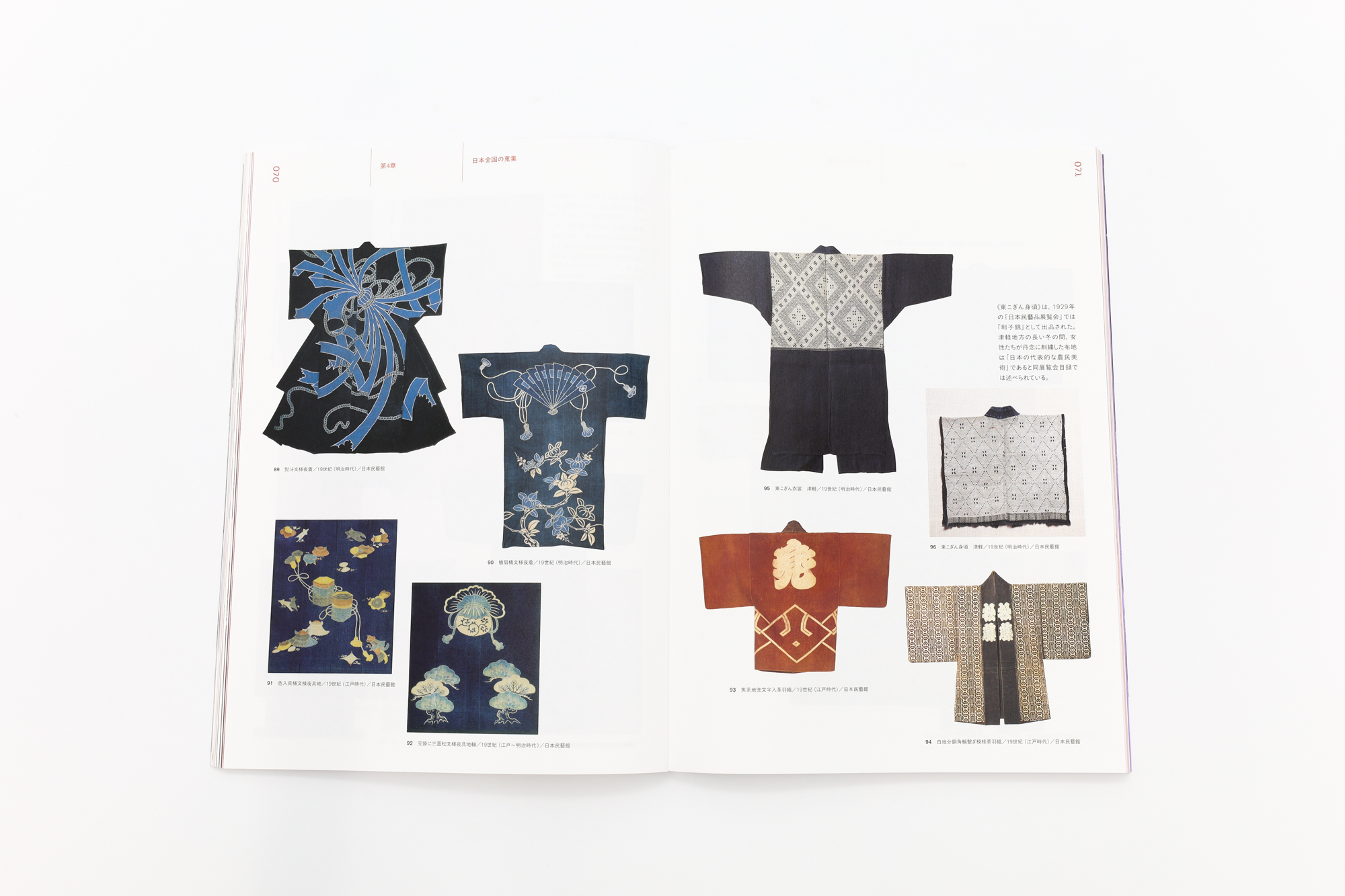
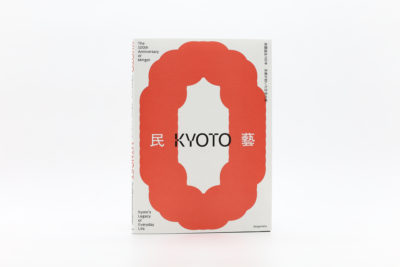
From Kyoto across Japan and around the world: examining Mingei’s celebration of beauty in everyday life, a century on.
[Design, Crafts, Architecture] Books in the category
New Books

NewThreads of Beauty 1995–2025: Wrapped in Time, Wrapped in Wind
Yuriko Takagi
New Books

NewBronze Mind
Koji Hatakeyama
New Books

Modern Furniture: A History
Naoki Terada
New Books

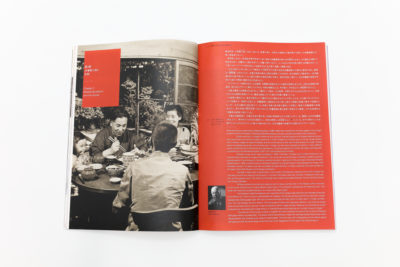
In Kyoto in 1925, the philosopher Yanagi Soetsu and ceramists Hamada Shoji and Kawai Kanjiro conceived the word mingei (folk craft) to capture the appeal of ordinary handcrafts and the beauty to be found in everyday life. That aesthetic—which Yanagi and his fellows would develop and propagate through their Mingei movement—continues to resonate with many even now, a century later.
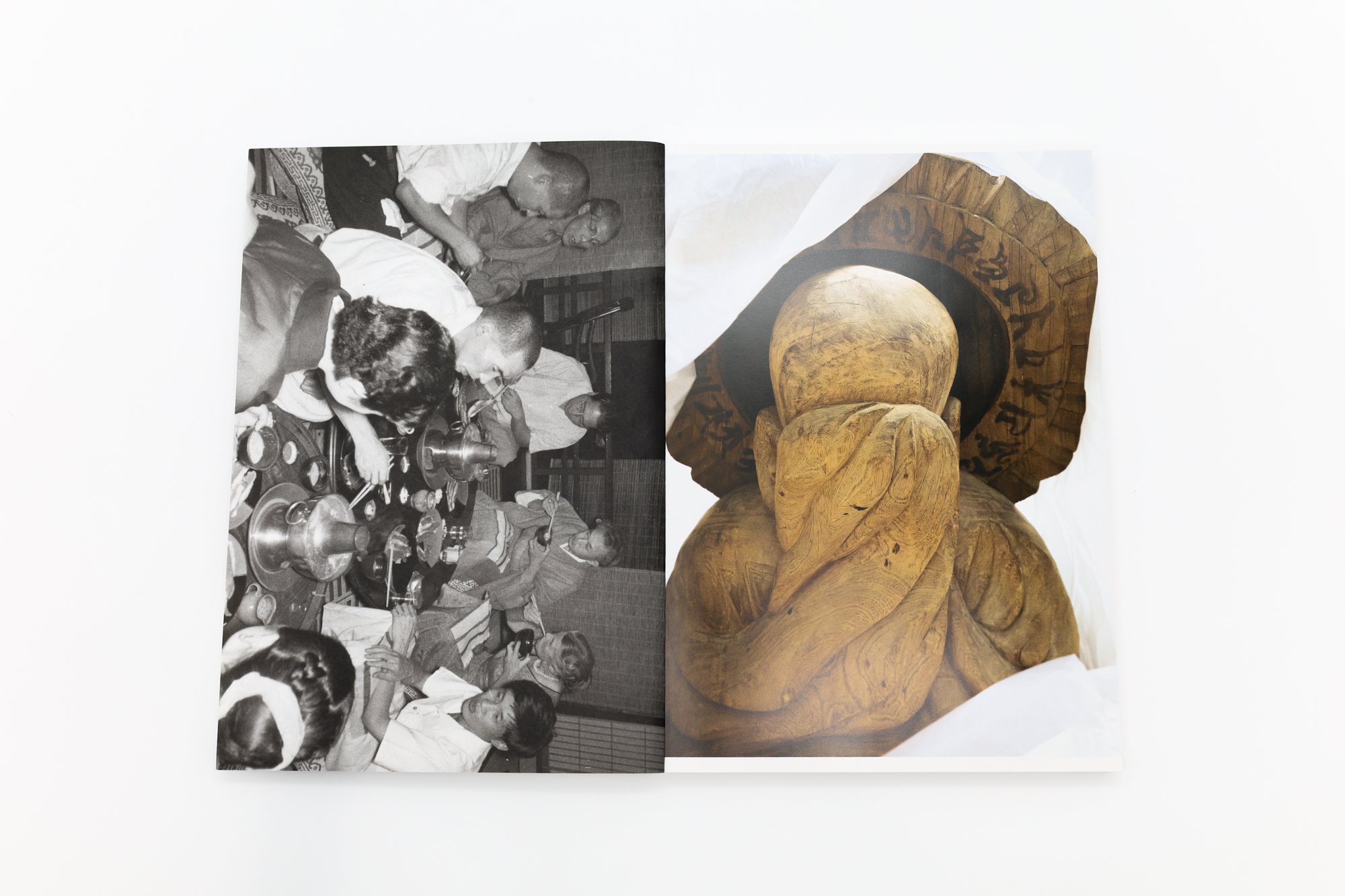
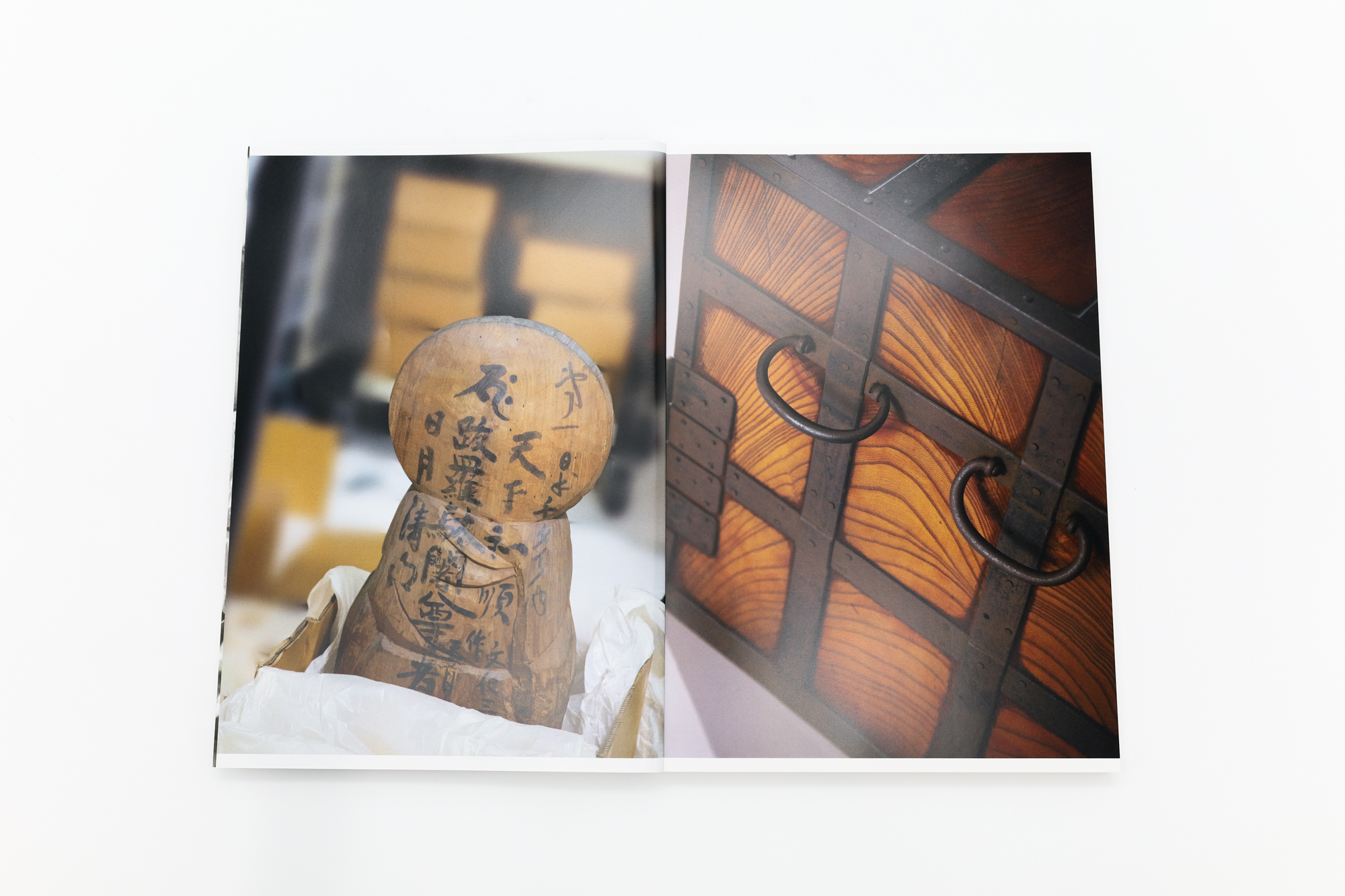
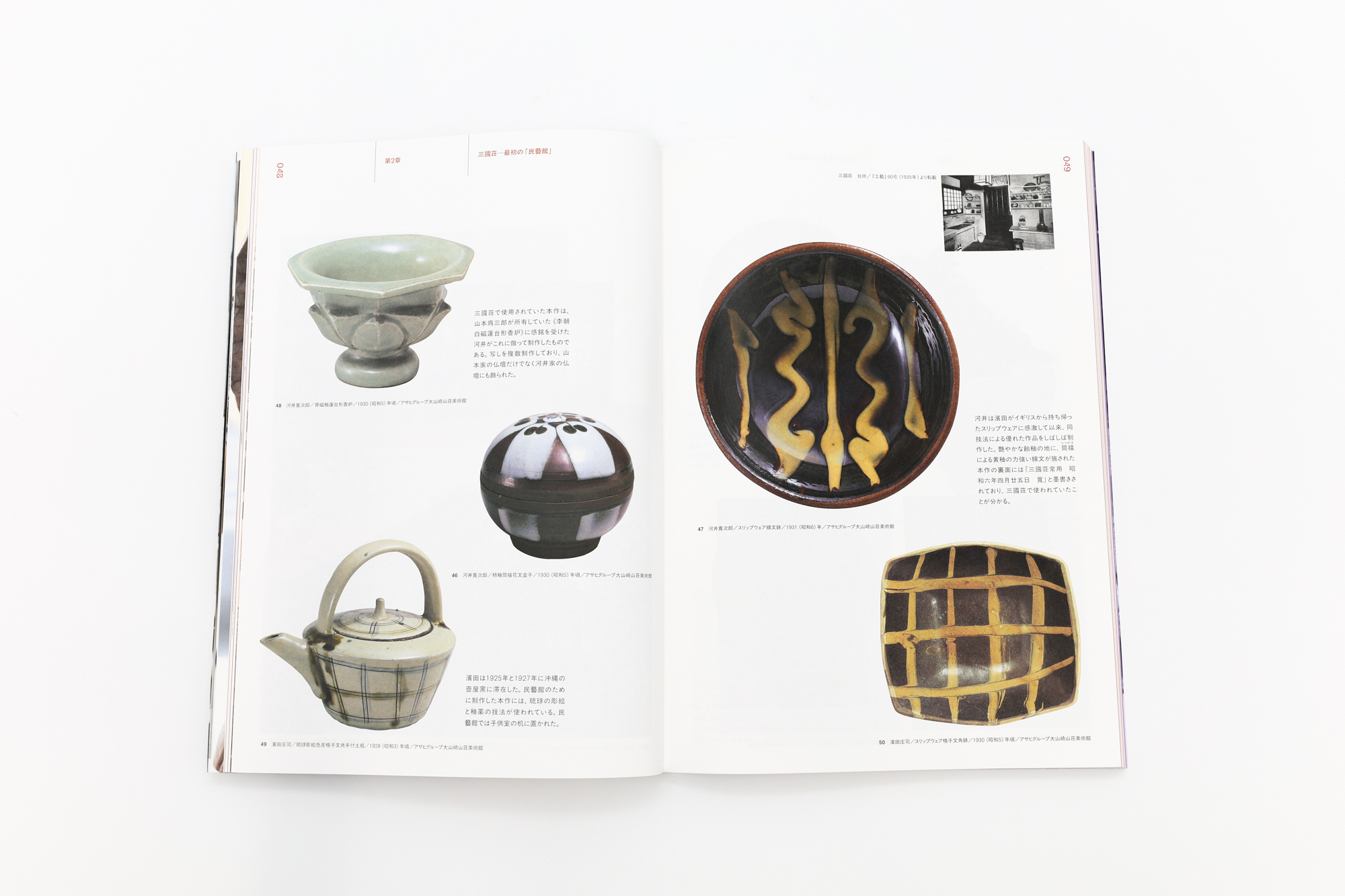
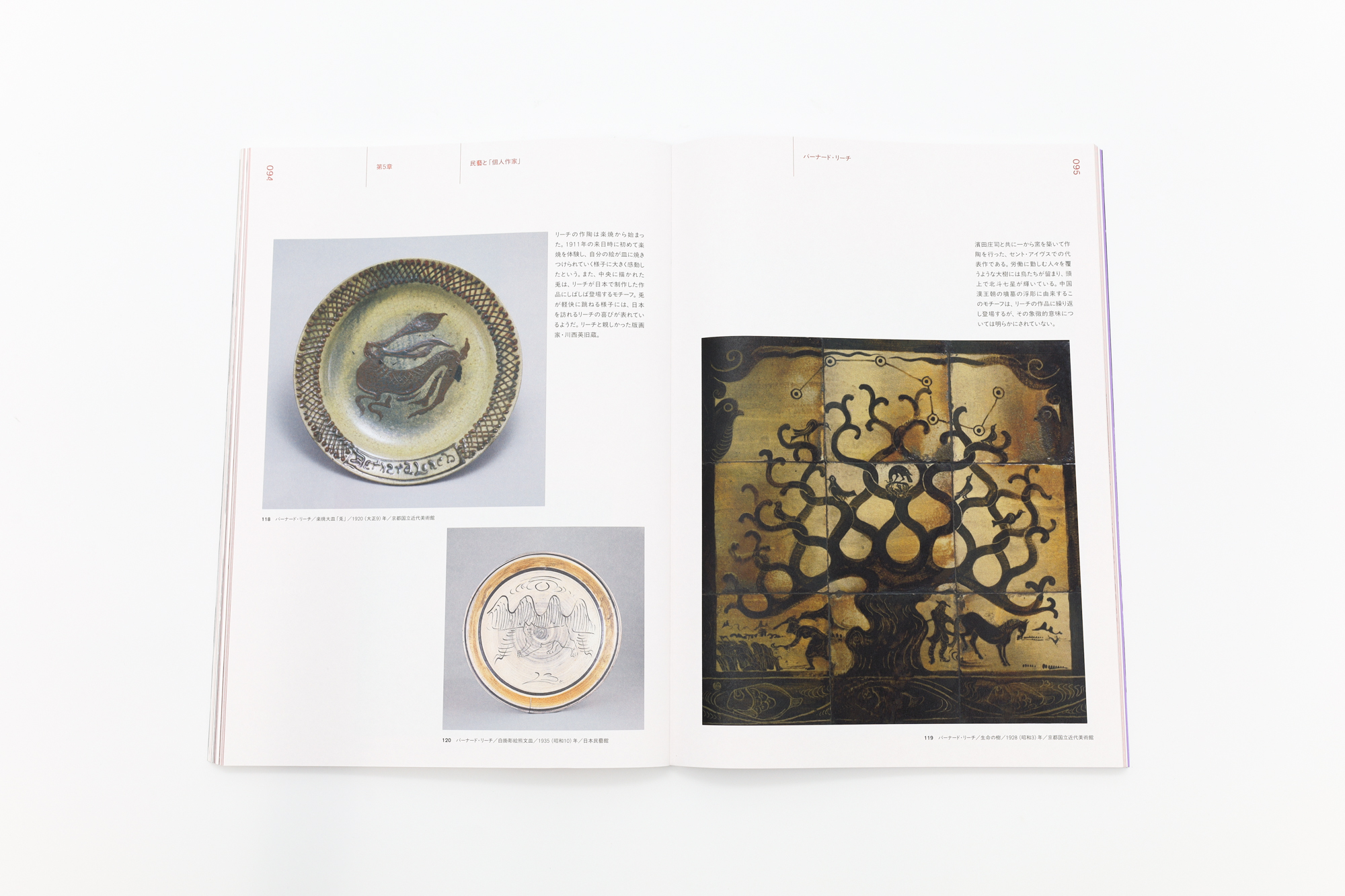
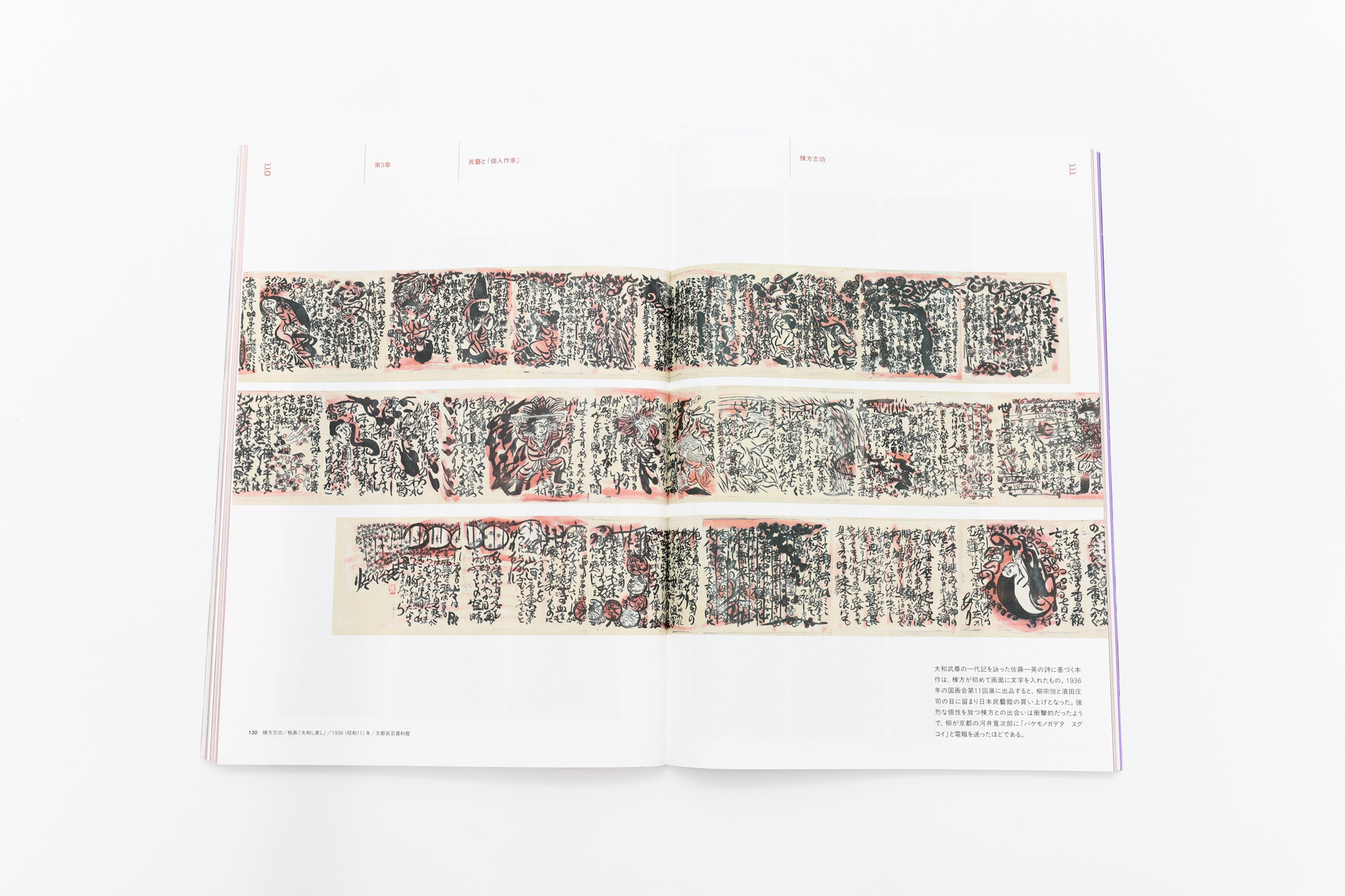
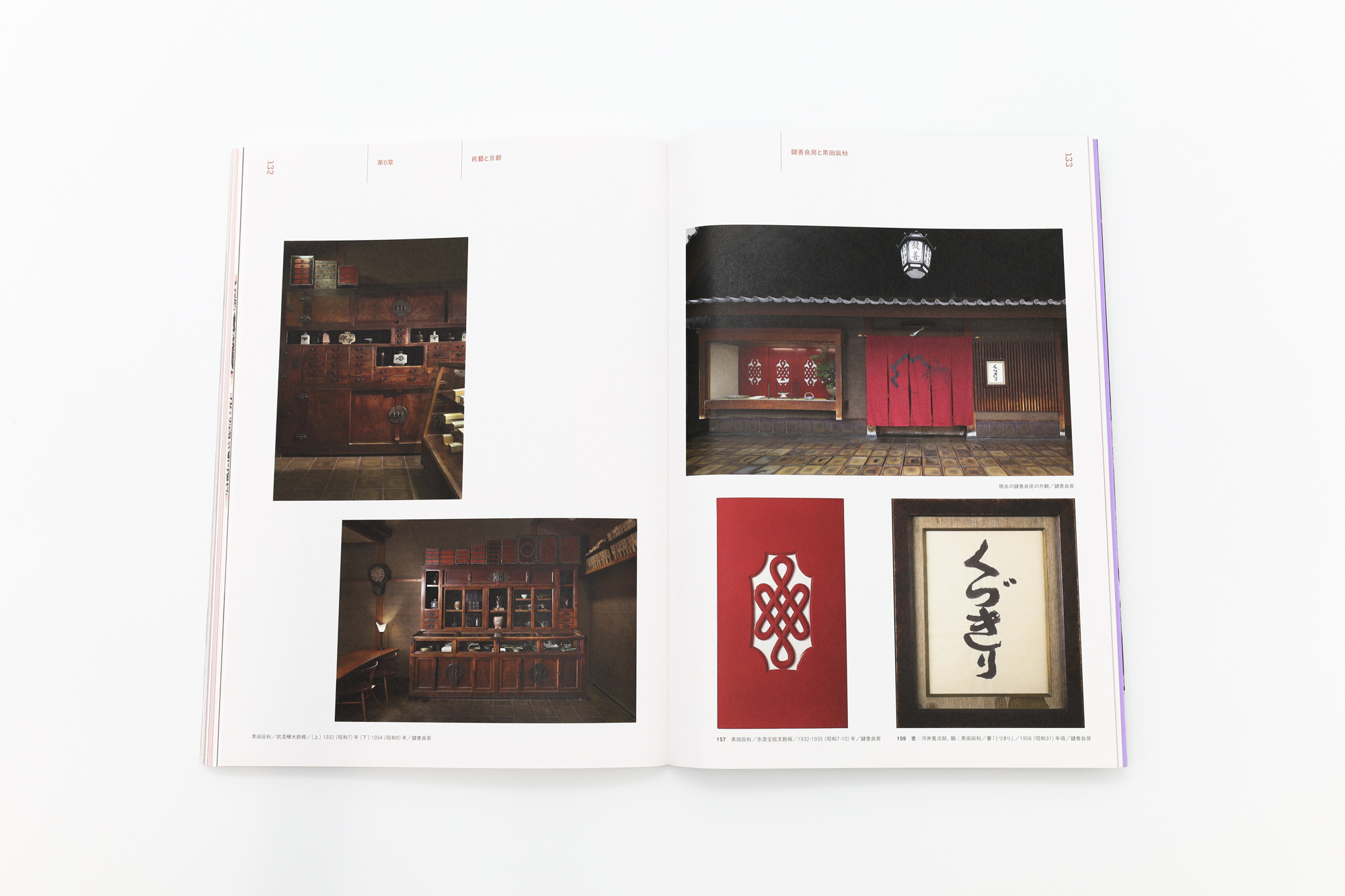
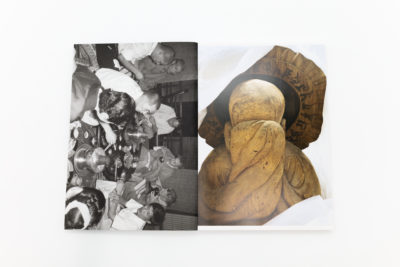
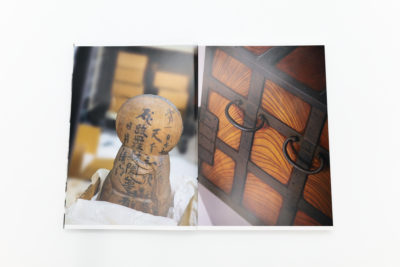
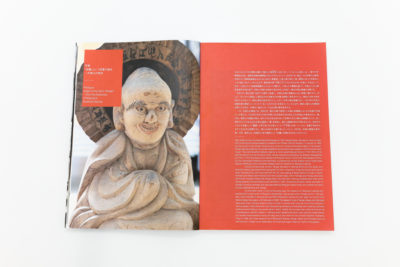
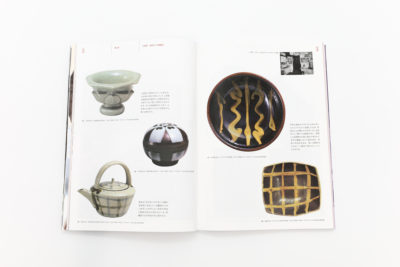
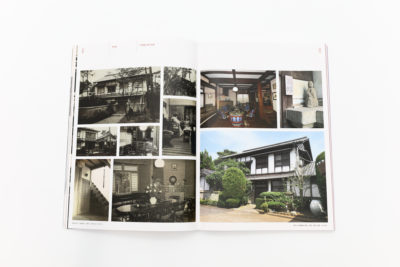
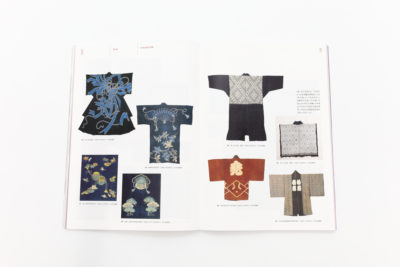
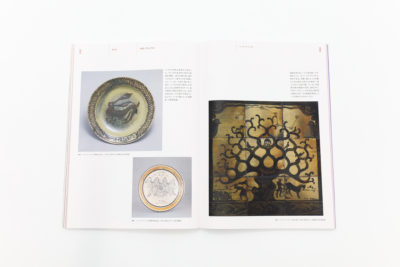
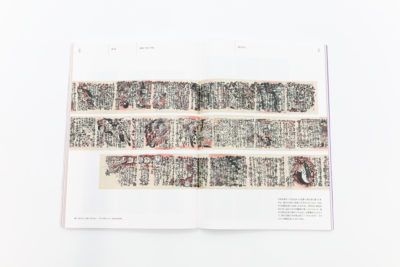
This volume introduces the Kyoto beginnings of the Mingei movement through a look at Yanagi’s writings and some 170 examples of Mingei-related art and architecture, including the wooden Buddhist sculptures of the eighteenth-century itinerant monk Mokujiki, which provided the impetus for the coining of the word mingei; works by lacquer artist Kuroda Tatsuaki and textile artist Aoki Goro, founders of the Kamigamo Mingei Association; and pieces created by Kawai, Hamada, Bernard Leach, and others for the 1928 Folk Craft Museum, later relocated and renamed Mikuni Manor. Works and other materials relating to Kyoto proponents and sponsors of the movement shed further light on the still-enduring ties between Mingei and the ancient capital.