

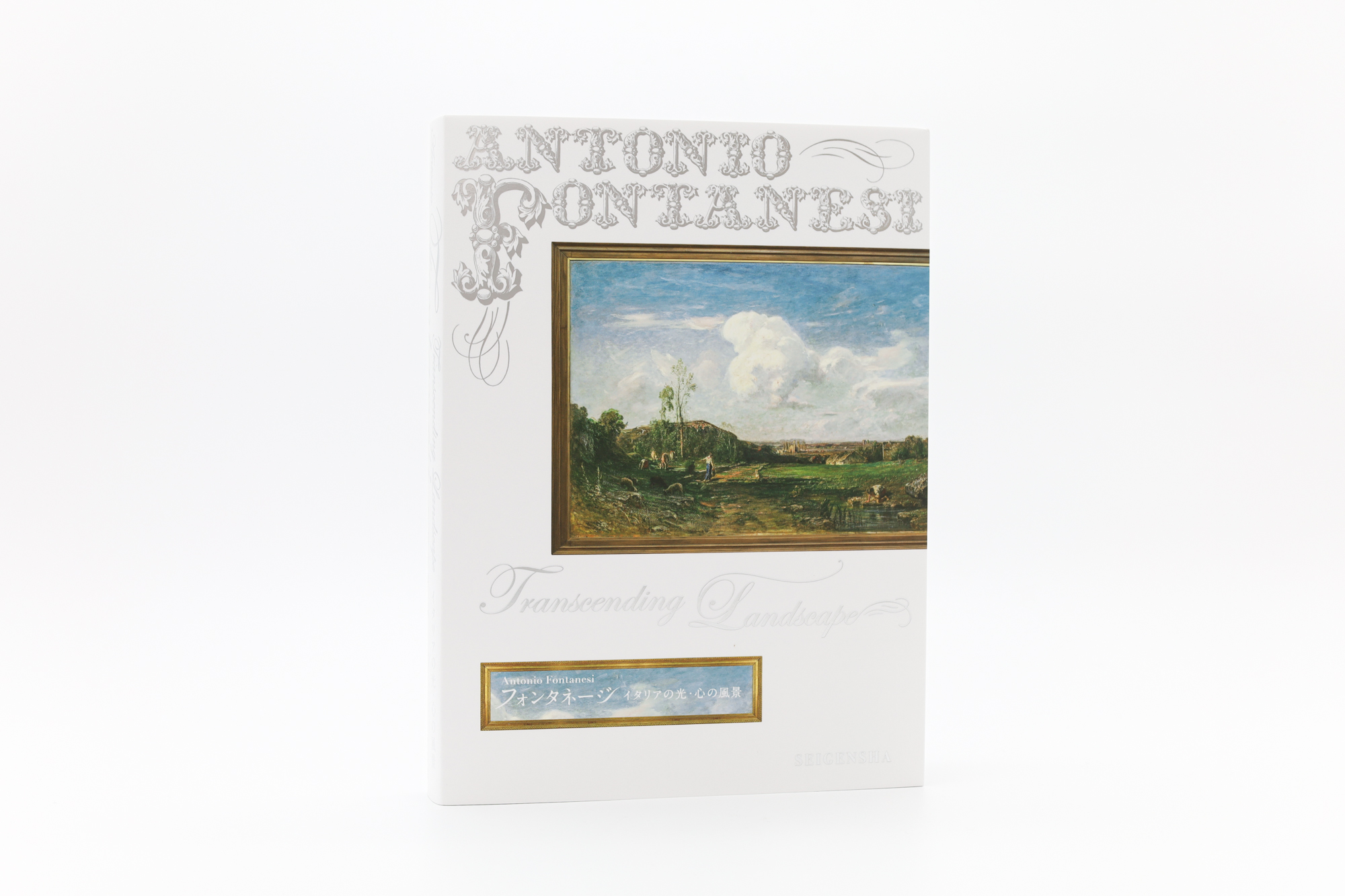
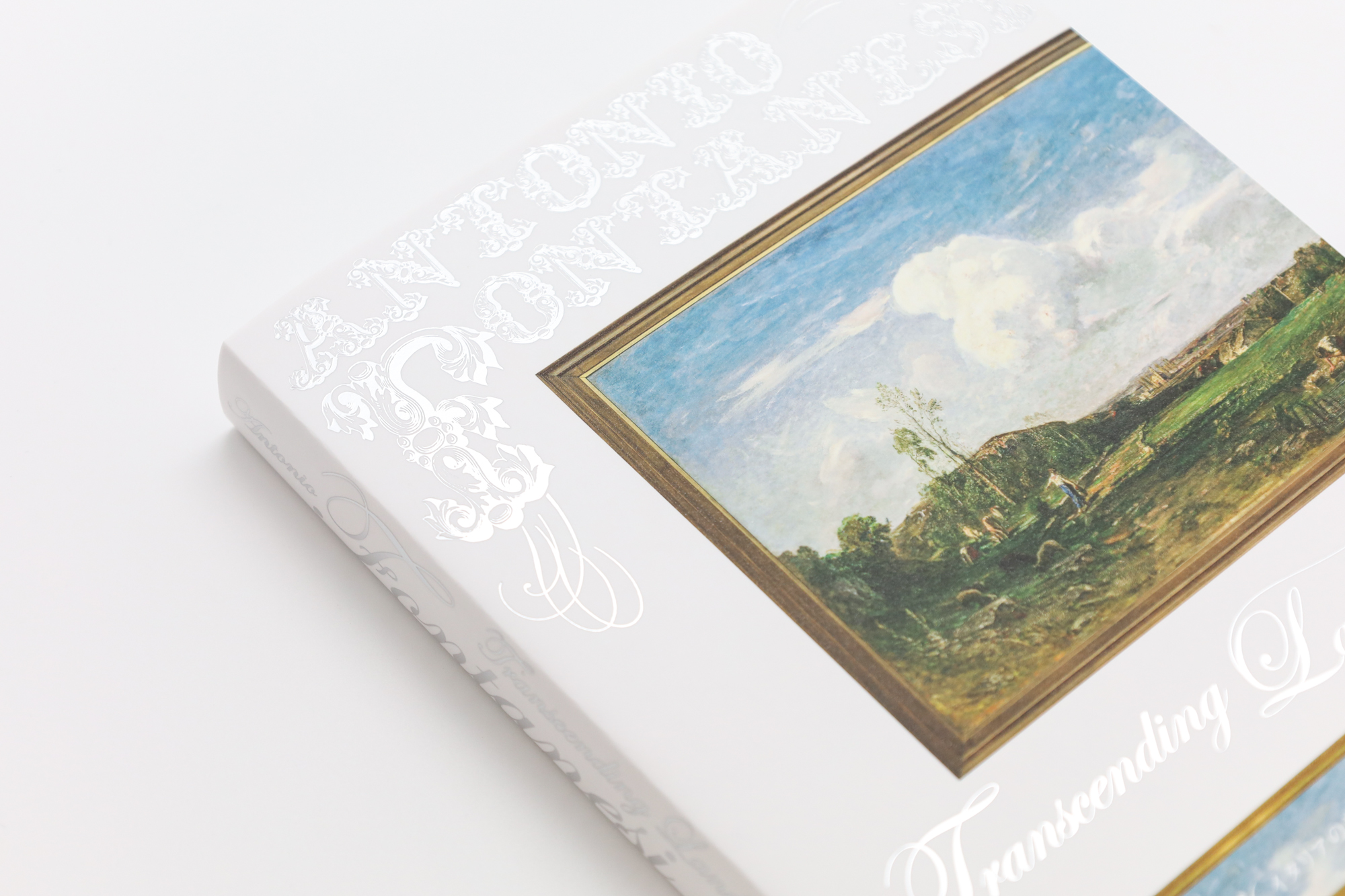
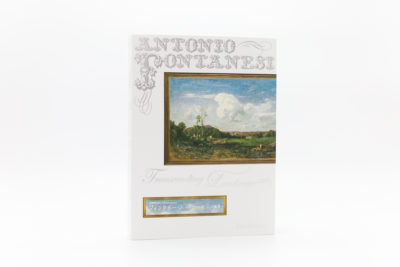
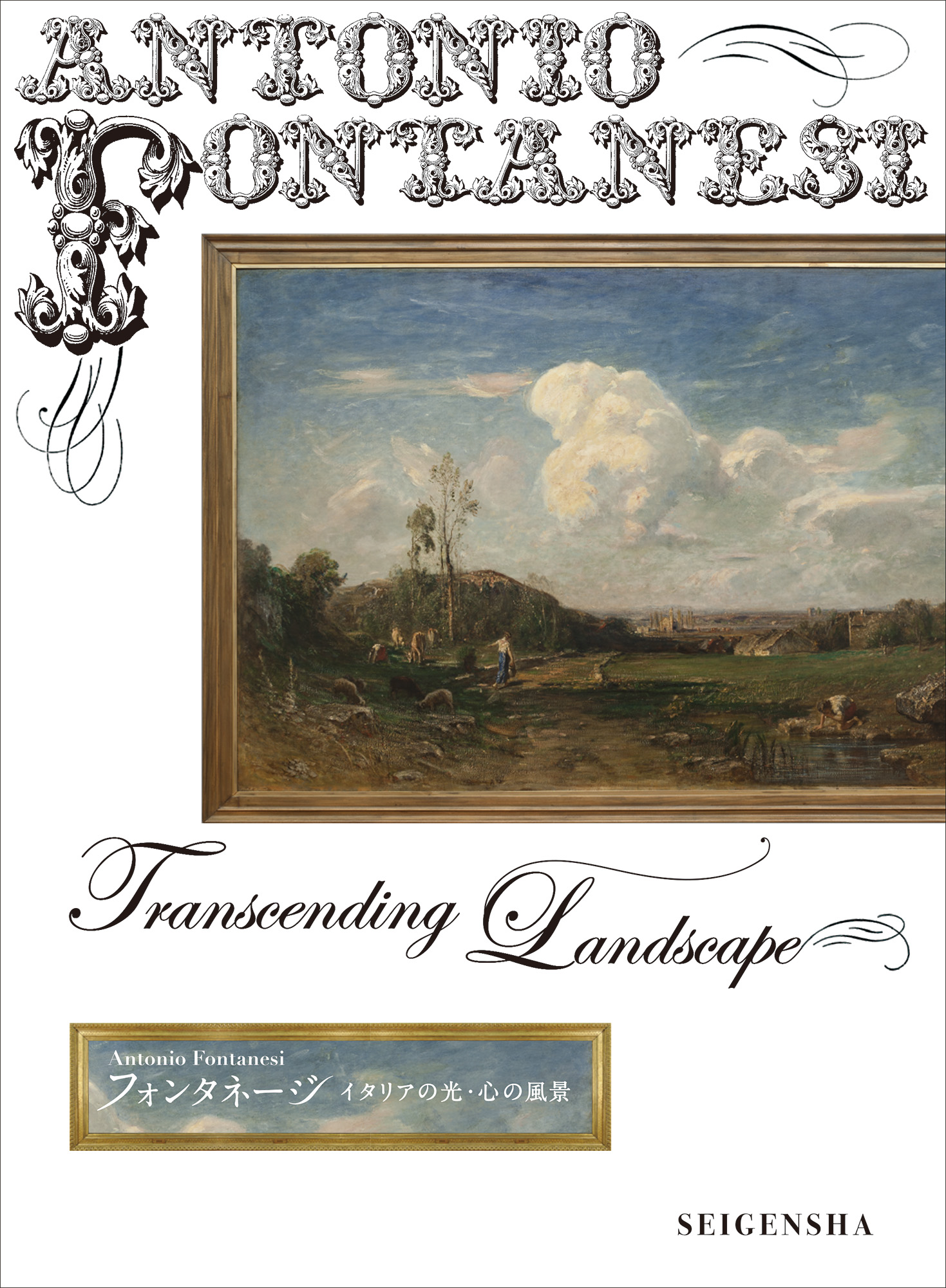
Antonio Fontanesi: Transcending Landscape—A European Artist at the Opening of Japan

- Price:
- 3,600 yen (JPY)
- Edited by:
- Mitsubishi Ichigokan Museum, Tokyo; National Museum of Modern Art, Kyoto; Nagoya City Art Museum; GAM—Turin Civic Gallery of Modern and Contemporary Art; and Turin Museums Foundation
- Language(s):
- Japanese and English
- Size:
- 240 × 175 × 23 mm, 900 g
- Pages:
- 368
- Binding:
- softcover
- Release date:
- 20260717
- ISBN:
- 978-4-86831-056-3 C0071
Journey through the landscape paintings of a founding father of Western-style art in Japan.
[Art] Books in the category
New Books
NewSelected Masterpieces from the Museum of the Imperial Collections, Sannomaru Shozokan
New Books

Le Petit Musée: Johannes Vermeer (new edition)
Johannes Vermeer
New Books
Kikon: Portrait of the Noble Steed
Tomoyuki Nagase
New Books

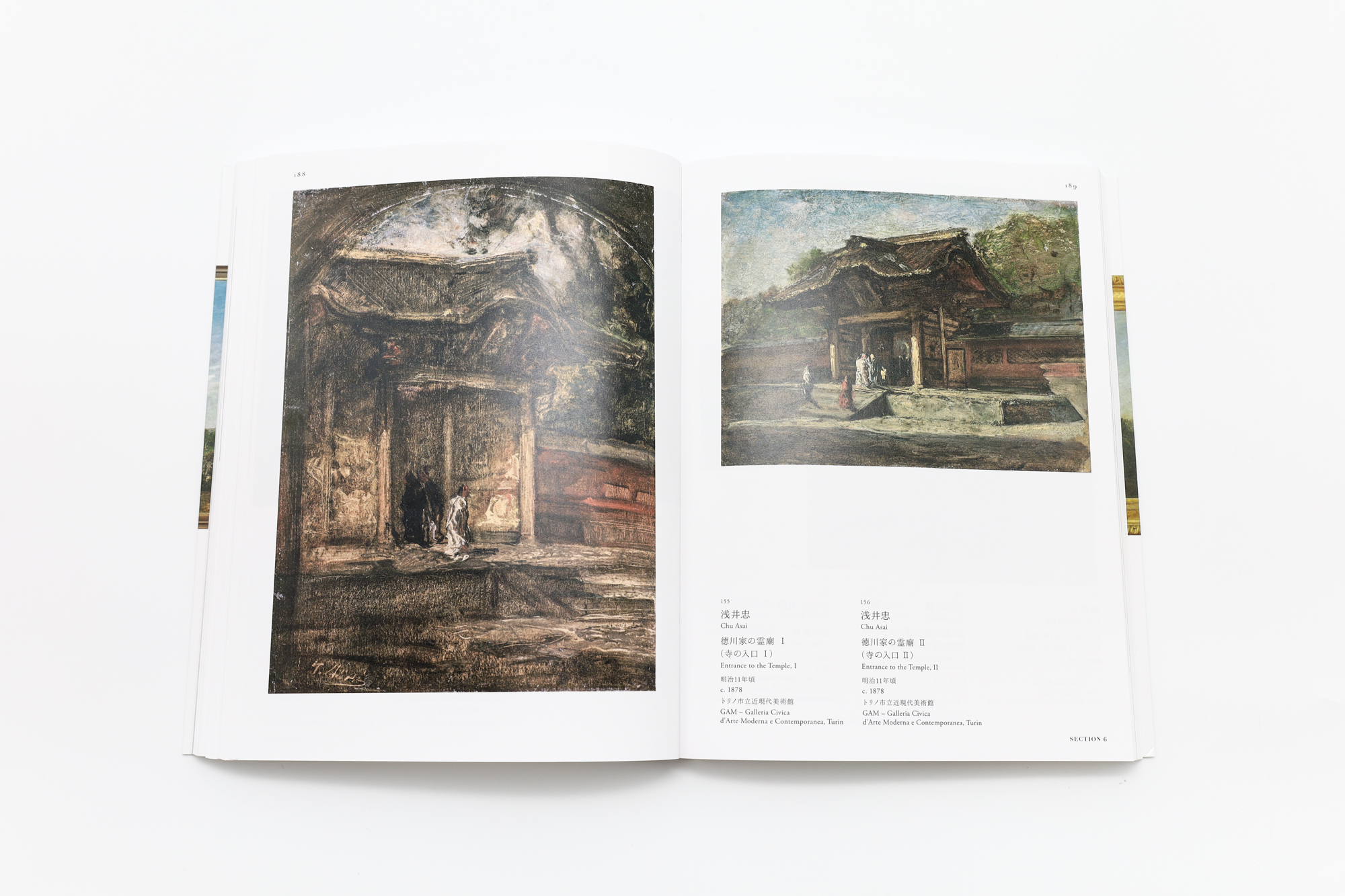
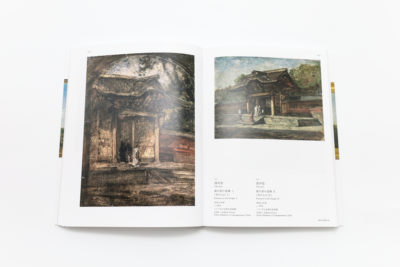
Italian painter Antonio Fontanesi (1818–1882) arrived in Japan on the invitation of the Japanese government in 1876, shortly after the country opened to the world. In the brief two years that he was there, he helped establish Western-style art in the land by training Chu Asai and other early practitioners of the field. The full scope of his own art has, however, remained largely unknown.
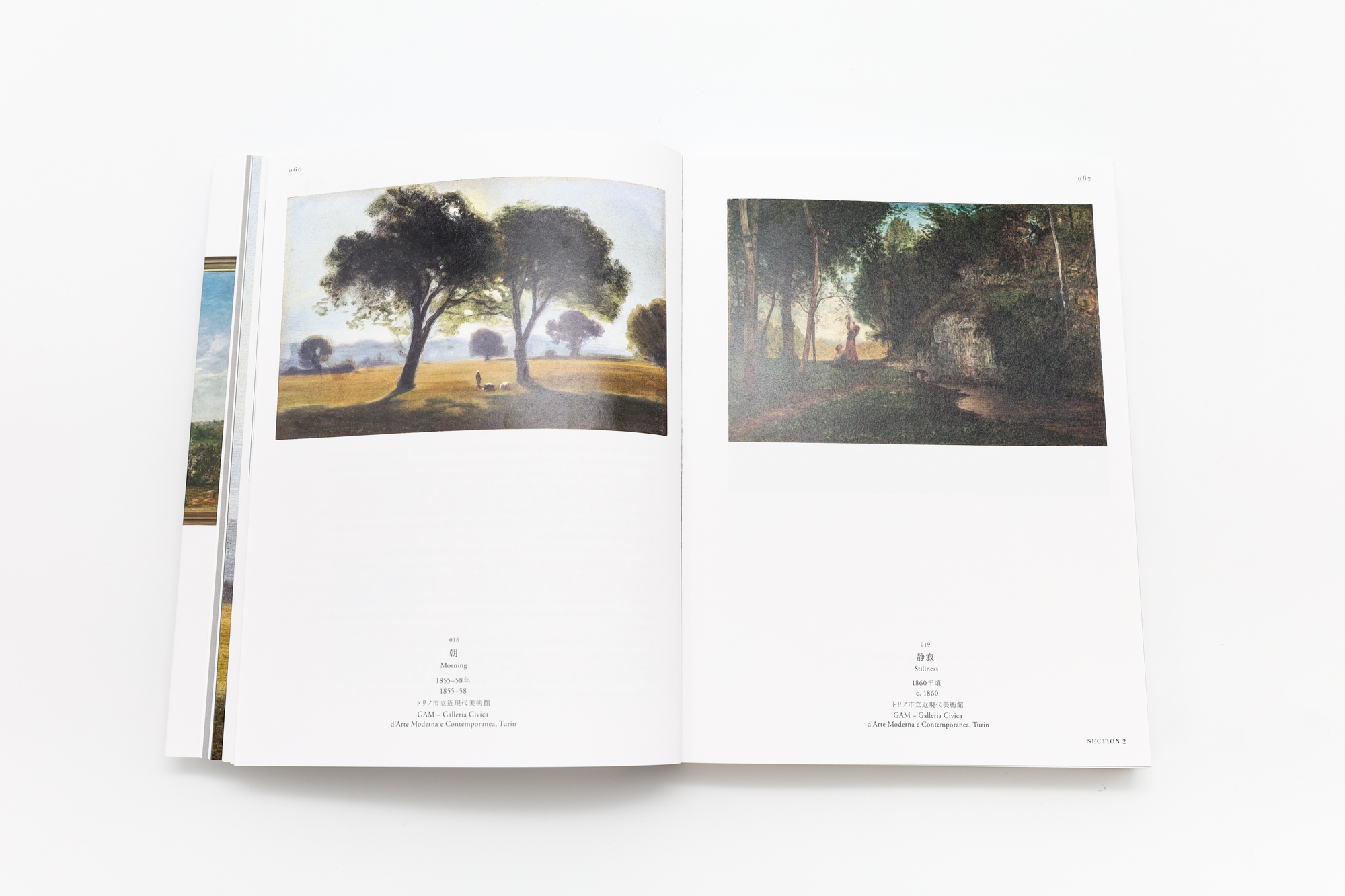
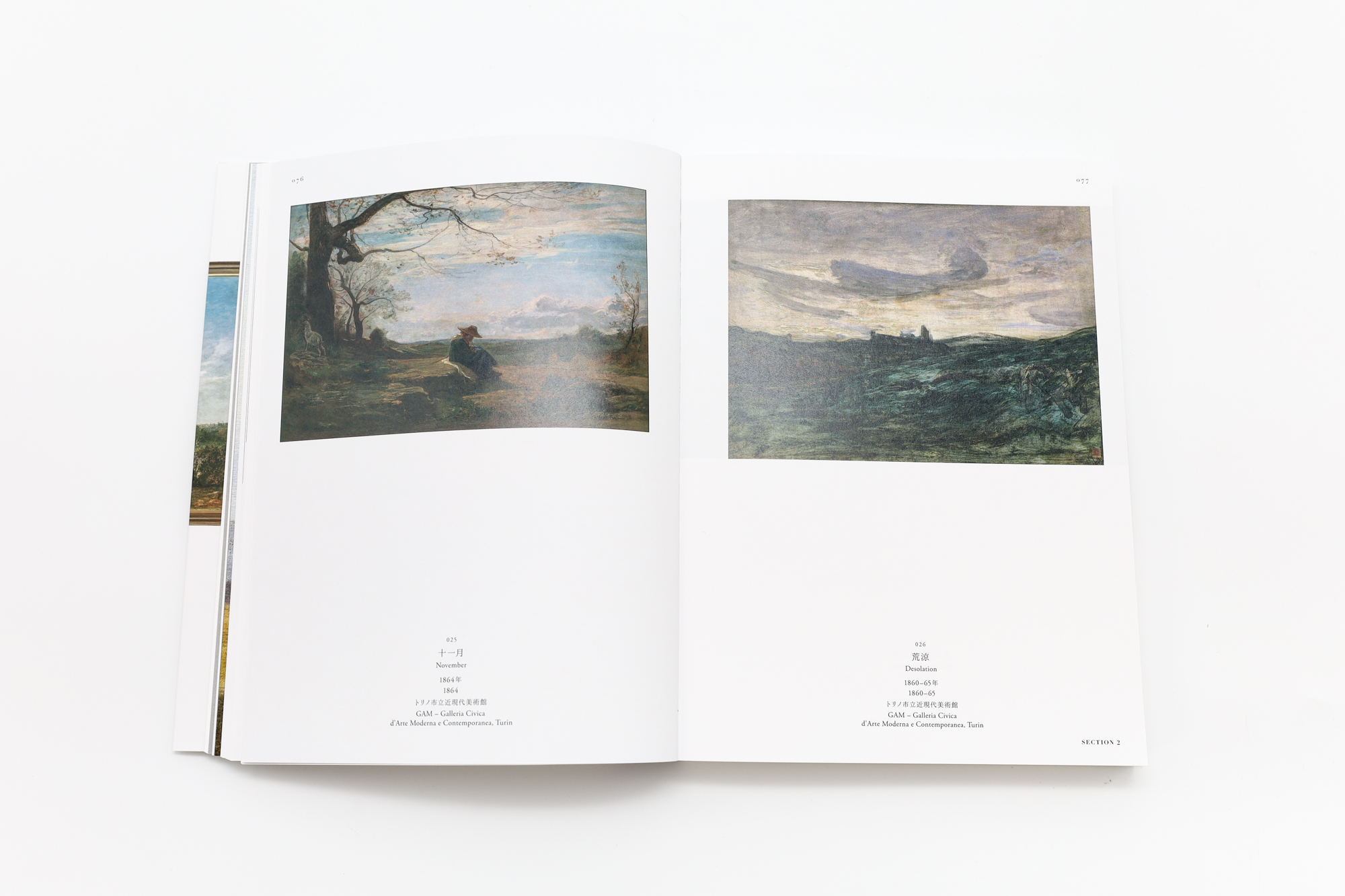
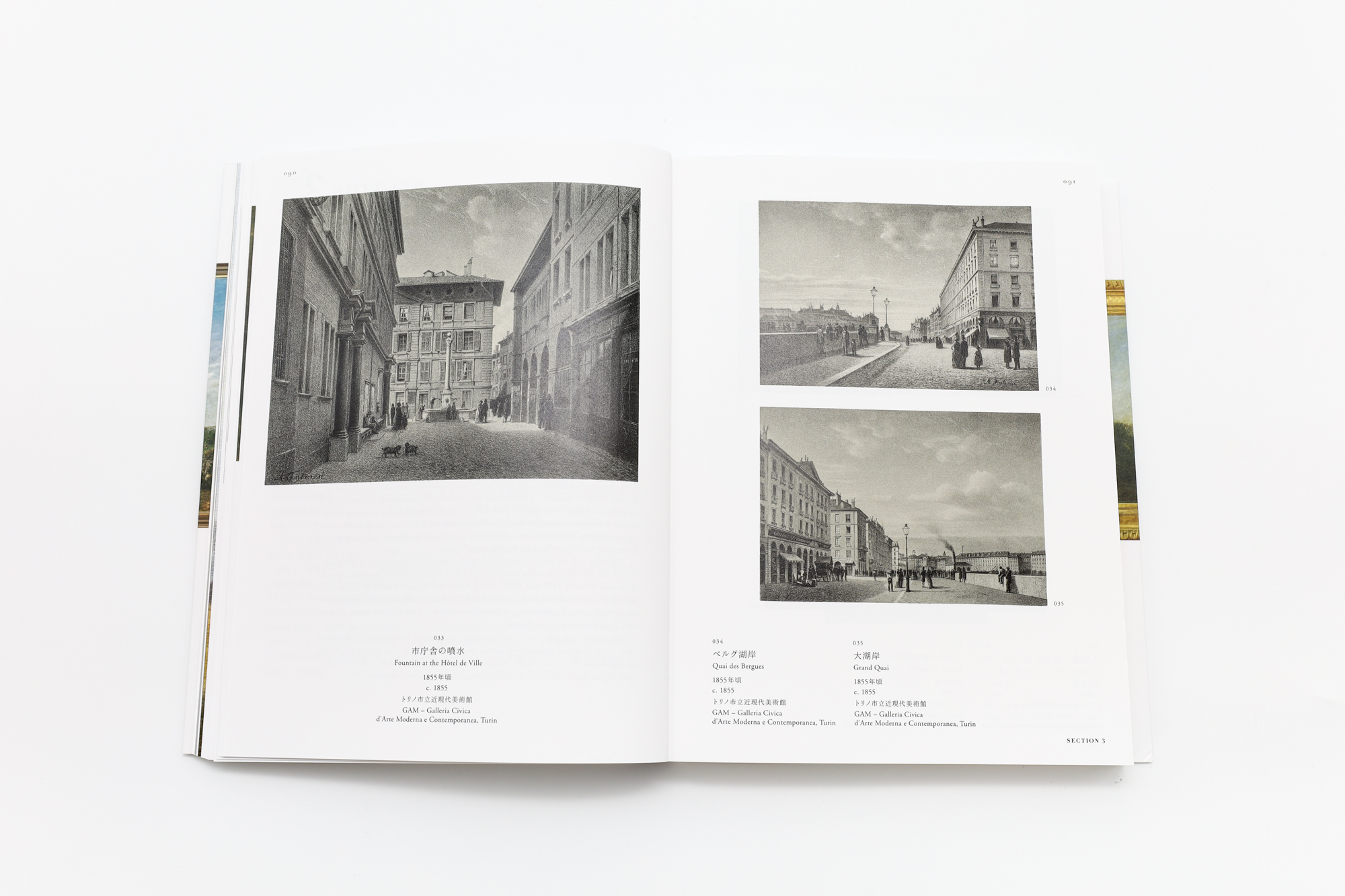
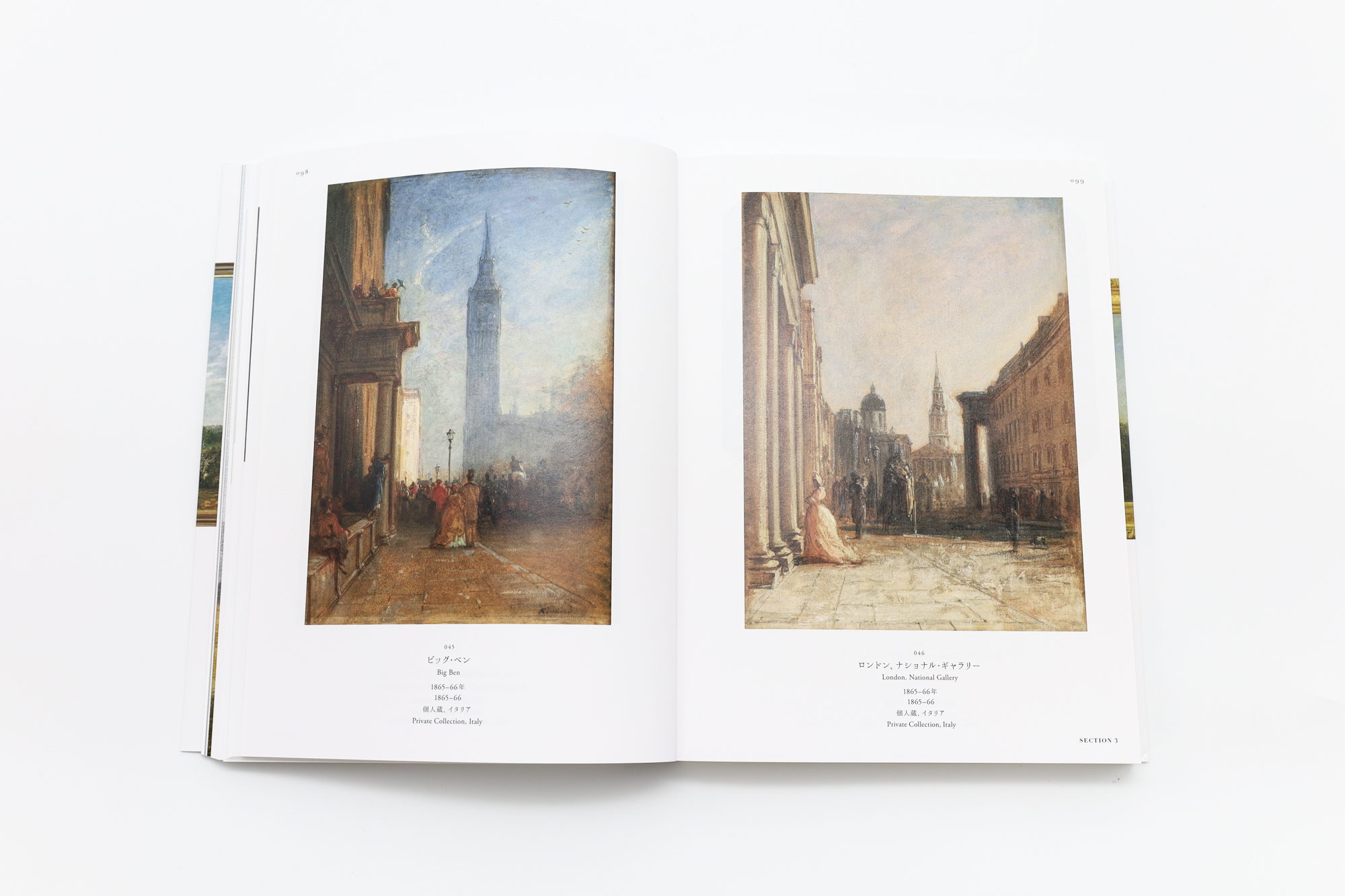
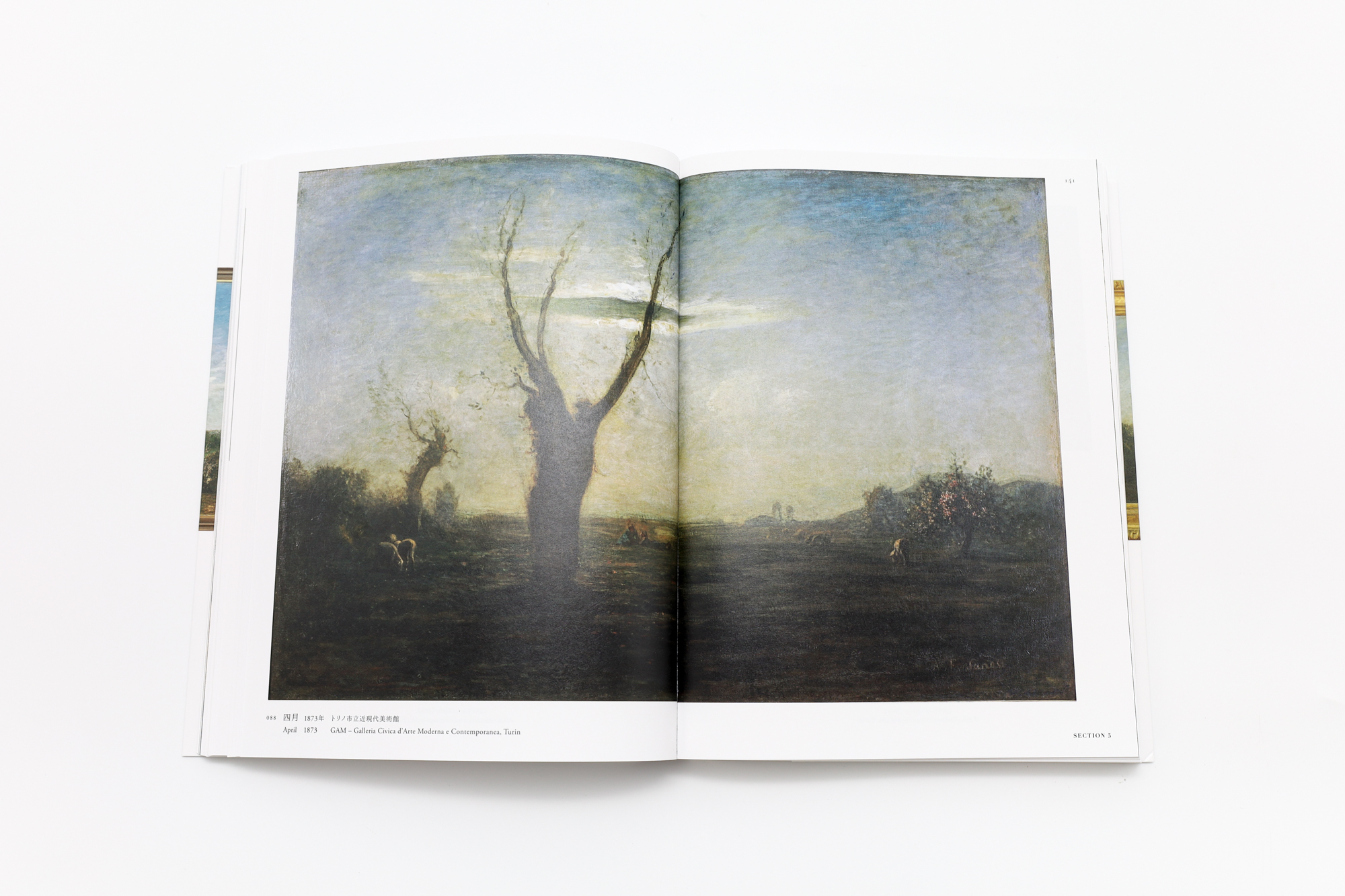
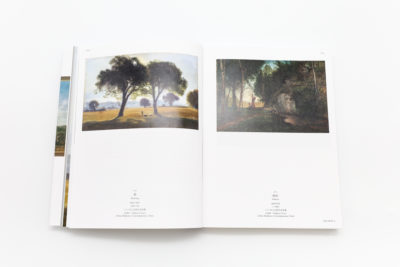
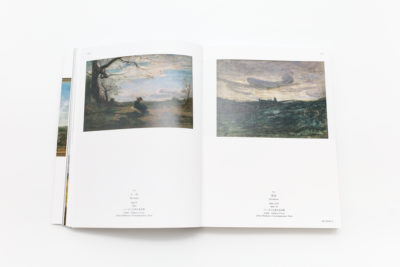
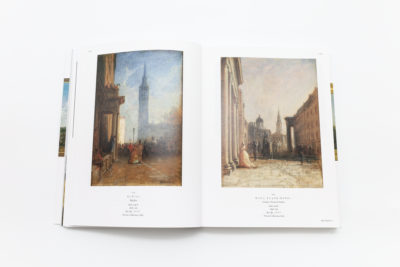
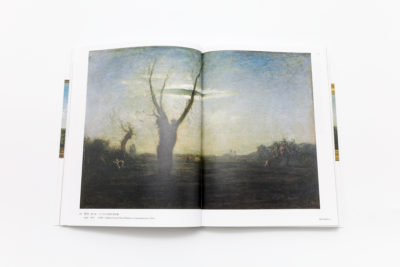
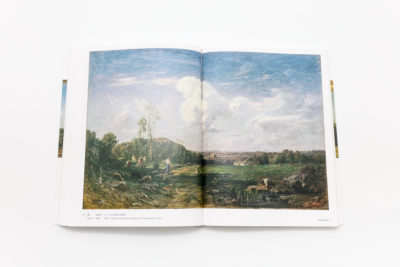
Over his career, Fontanesi produced distinctively lyrical landscapes that melded inspiration from his stays in Switzerland, France, Britain, and elsewhere in Europe with the influence of the Barbizon School, J.M.W. Turner, John Constable, and others. This book presents more than 200 of those entrancing explorations of light and scenery alongside works by painters he influenced, looking back on the trajectory of modern European and Japanese painting through the life of a single artist.
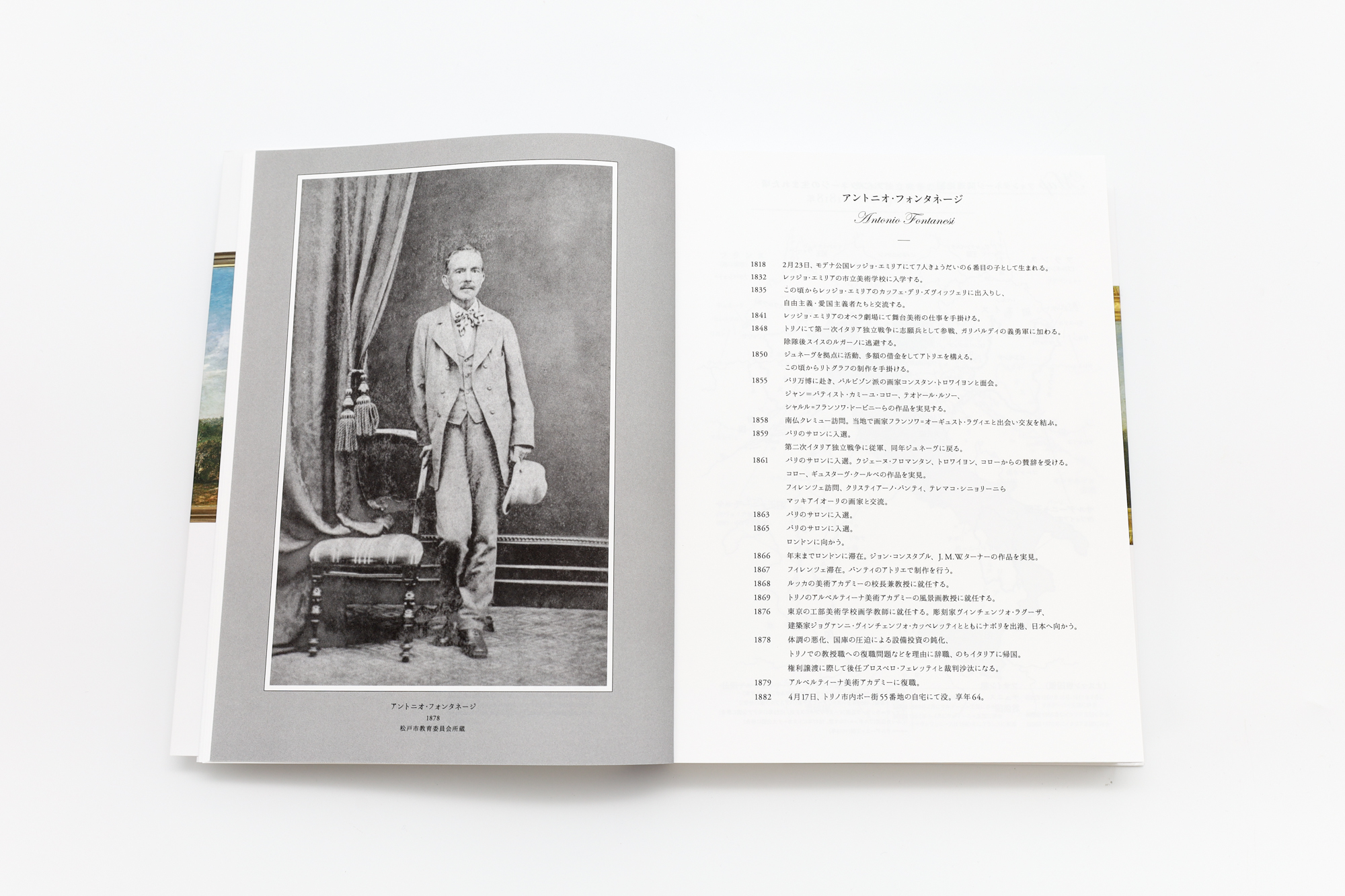
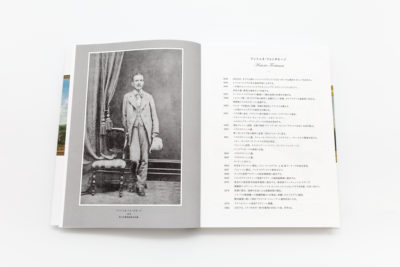
Antonio Fontanesi (February 23, 1818–April 17, 1882) was born in Reggio Emilia in northern Italy and trained as an artist in his native city. In 1848 he joined the First Italian War of Independence, afterwards settling in Geneva to pursue his artistic activities while also making visits to Paris and the south of France; he fought again in the 1859 Second Italian War of Independence and returned to Geneva in the same year. He subsequently exhibited at the Salons in Paris and traveled to London and Florence before becoming head and professor of the Istituto di Belle Arti in Lucca in 1868 and professor of landscape painting at the Accademia Albertina in Turin in 1869. In 1876 he accepted the Japanese government’s invitation to teach at the Kobu Bijutsu Gakko (Art School of the Ministry of Public Works) in Tokyo but returned to Italy two years later due partly to ill health. He resumed his post at the Accademia Albertina in 1879 and continued to teach and paint in Turin until his death there in 1882 at the age of sixty-four.
During his tenure at the Kobu Bijutsu Gakko, Fontanesi provided a rigorous European artistic education to his students, including Chu Asai, Yoshimatsu Goseda, Shotaro Koyama, Hisashi Matsuoka, Hosui Yamamoto, and other future leading lights of Western-style art in Japan. The school was also attended by women, most notably Rin Yamashita, who later became Japan’s first painter of Orthodox icons.