

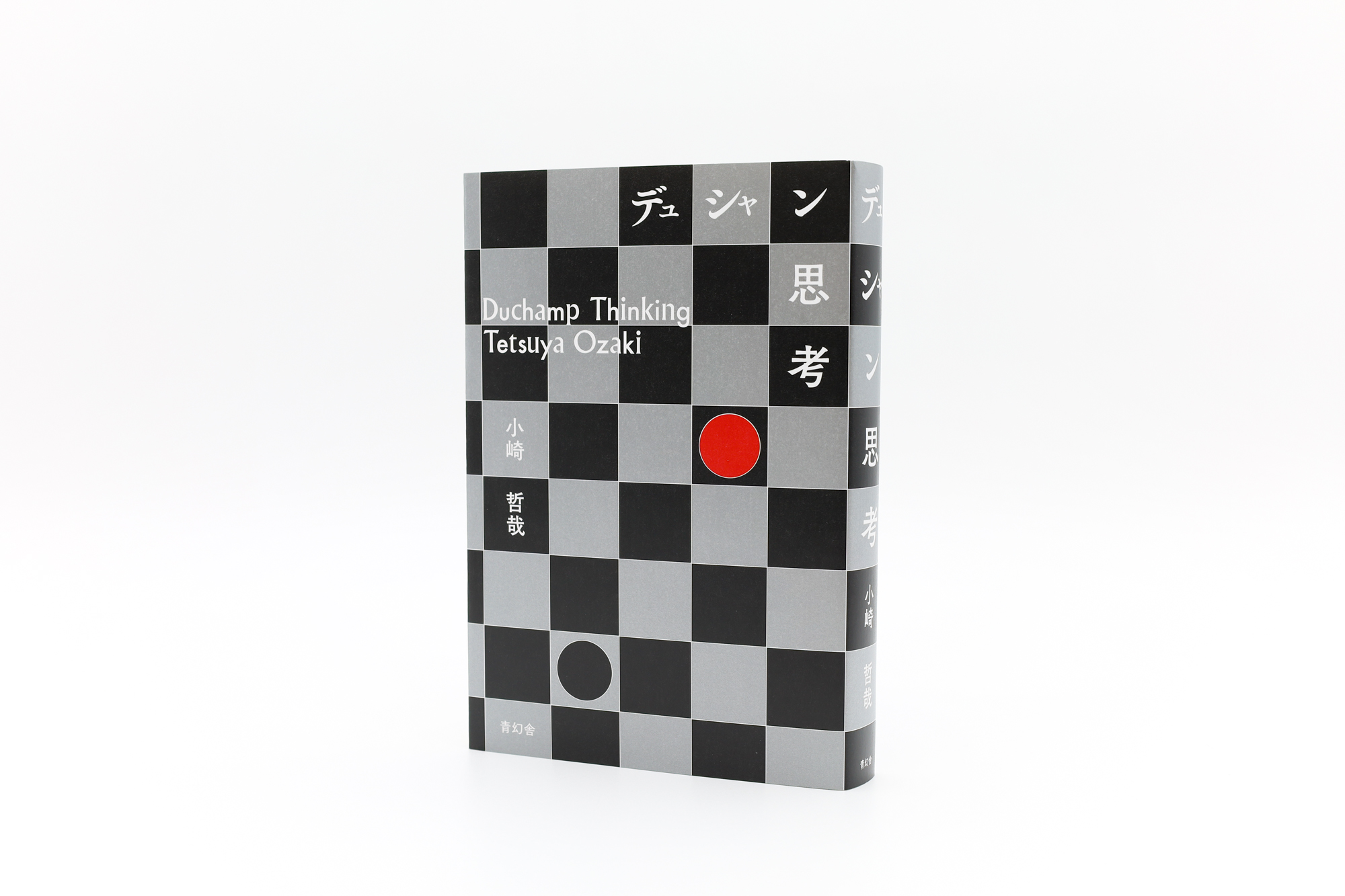
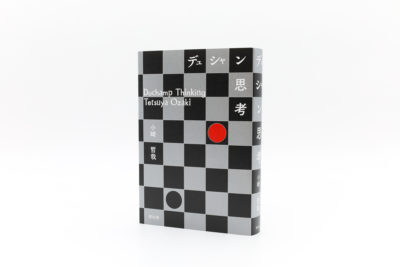
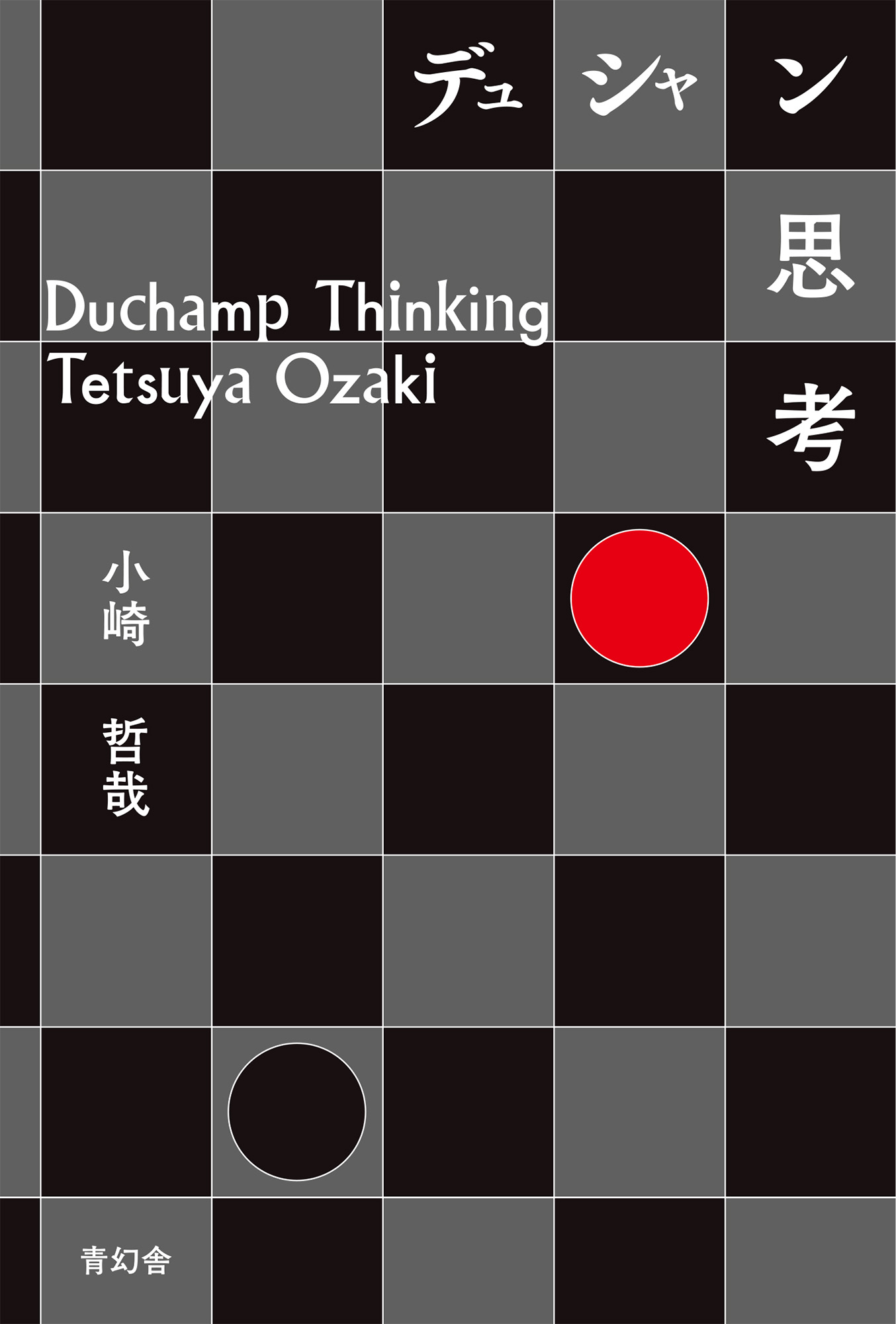
Duchamp Thinking
- Price:
- 2,700 yen (JPY)
- Author(s):
- Tetsuya Ozaki
- Language(s):
- Japanese
- Pages:
- 400
- Binding:
- softcover
- ISBN:
- 978-4-86831-073-0 C0072
Uncovering the true designs of contemporary art’s greatest mastermind.
[Art] Books in the category
New Books
NewSeigensha | Taschen Basic Art Series: Marcel Duchamp
Janis Mink
New Books
NewSeigensha | Taschen Basic Art Series: J.M.W. Turner
Michael Bockemühl
New Books
Selected Masterpieces from the Museum of the Imperial Collections, Sannomaru Shozokan
New Books

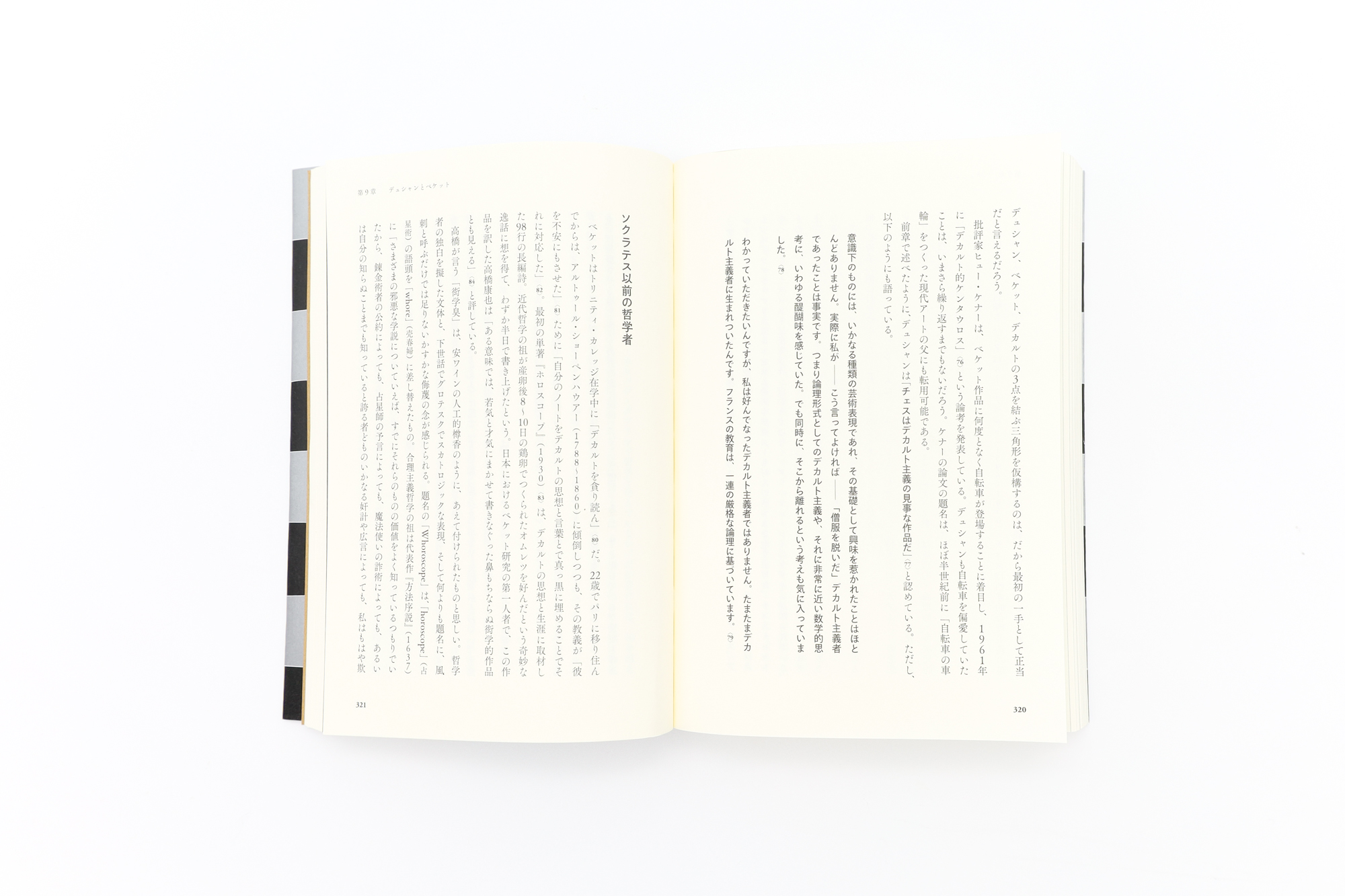
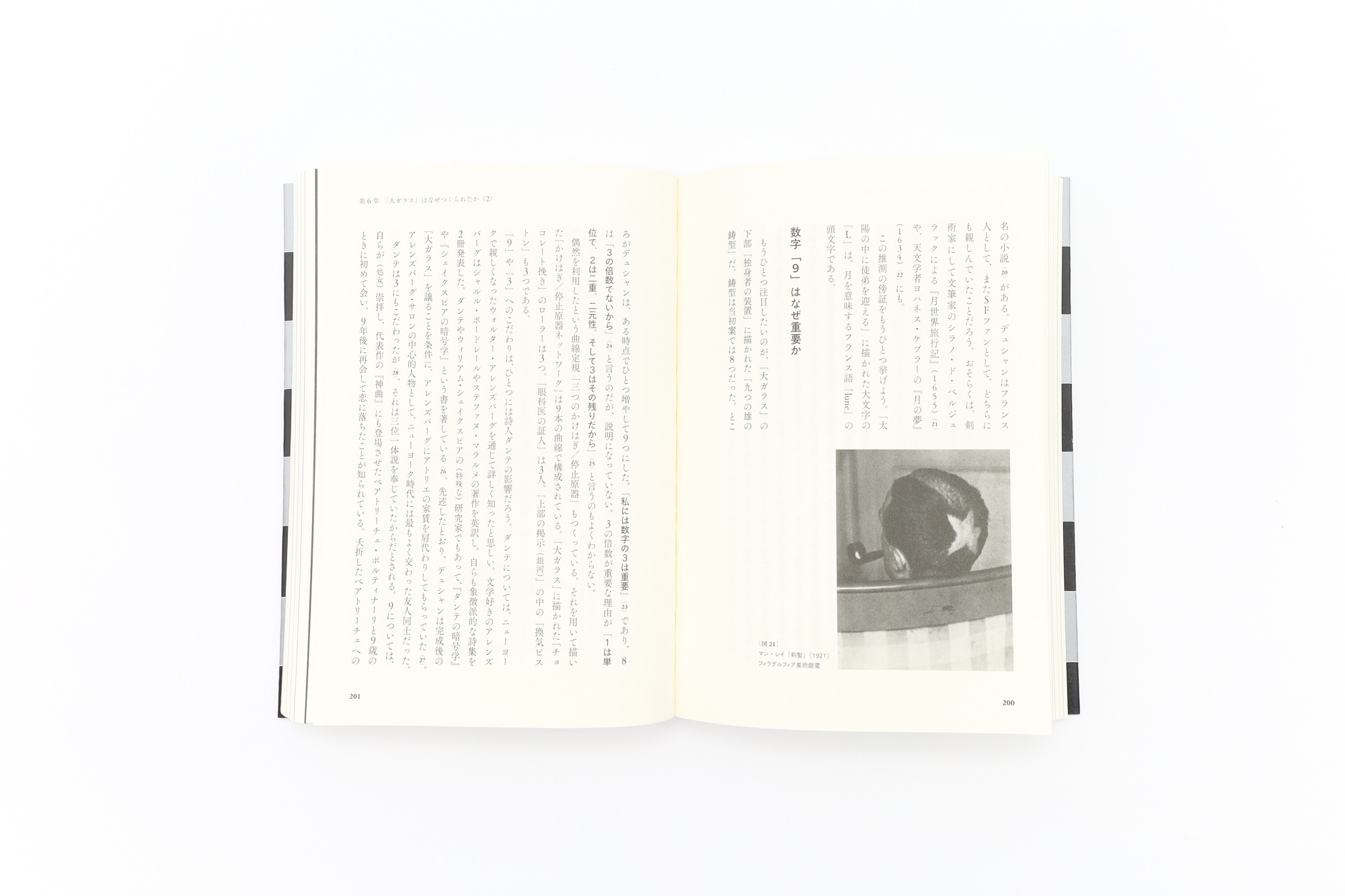
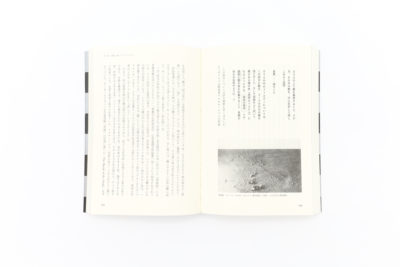
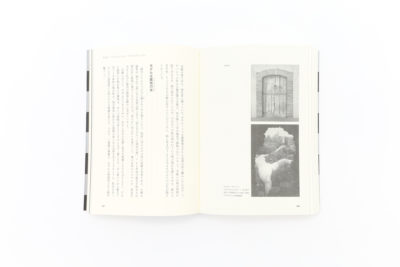
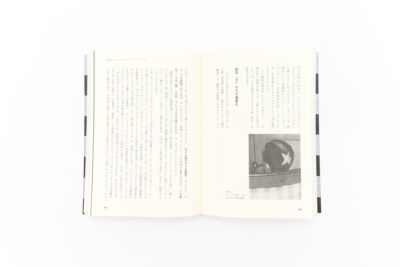
In this book, an art journalist who has spent his career covering art around the globe elucidates the true figure of Marcel Duchamp, the “father” of contemporary art. Wherein lies the real innovation of Duchamp’s readymades? What themes lurk within his masterpieces? Drawing on previous scholarship new and old from throughout the world as well as the artist’s romantic and other relationships, the analysis brings to light one after another of the ingenious devices to be found in his oeuvre.
From the author of What Is Contemporary Art? and So as Not to Kill Contemporary Art, this is a must-read for all art lovers—a book that is neither mere biography nor abstruse treatise, but rather a thrilling detective story unraveling a tangled web of mysteries. When readers put the book down, they will find their perceptions of Duchamp completely transformed, and no visit to an art museum will ever be the same for them again.
Endorsements
Séverine Gossart (art historian/deputy director, Association Marcel Duchamp):
Duchamp Thinking is an ambitious and genuinely stimulating book, weaving together a remarkable range of references from Rikyu and Epicurus to Kepler, Newton, Tsiolkovsky, Goddard, and, finally, Beckett—such a rich read! Among its strengths, Tetsuya Ozaki’s interpretation of Duchamp through Epicurus reveals a striking affinity with the ideal of “living unnoticed” and lends real philosophical weight to what is often dismissed as the artist’s mere detachment. Duchamp Thinking brings art, philosophy, and science together in unexpected ways, ultimately opening up new ways of thinking about Duchamp.
Seiko Ito (author/creative):
The question of how Marcel Duchamp should be received is always a difficult one. There is indeed no telling whether he need be received in the first place, though he certainly cannot be ignored. Something dictates that he be not ignored, and accordingly people stand before him in continual perplexity—though unless they watch out this perplexity can also get to be pleasing, which makes things even more confounding. Confounded, they meanwhile turn to language to articulate their perplexity.
It seems quite certain that the readymades, The Green Box, The Large Glass, the so-called last work all function as apparatuses for drawing this language of perplexity out from their viewers. I myself wrote a series of blog posts about Duchamp and anagrams, and then about Duchamp and his chess and thought, only to finally embark on a personal translation of a collection of his writings on chess and fall dumb for years, language having come to a dead stop.
Kozaki-san has jumped into this most perilous game and forayed bit by bit into the recesses of Duchamp’s brain, particularly through consideration of his readymades. Those efforts have resulted in this book, whose hefty bunch of pages seems, to me, to be daily intent on being a readymade itself. What we readers are being called upon to do is to choose it without reason, hang it up in a room to regard its shadow, and ever remind ourselves that it is ultimately always interchangeable with something else, even as we breathe in the emancipation offered by each one of its quite flimsy, individual component leaves.
Tetsuya Ozaki, born in 1955 in Tokyo, is a Kyoto-based art producer and journalist. He founded the web magazine Realtokyo in 2000, the ART iT art quarterly in 2003, and the web magazine Realkyoto in 2012 and served as general producer of performing arts for the 2013 Aichi Triennale. His publications include the photo collection Hyakunen no guko (One Hundred Years of Idiocy; Think the Earth, 2002), which documents the follies committed by humankind in the twentieth century; its sequel, Zoku Hyakunen no guko (One Hundred Years of Lunacy; Think the Earth, 2014); Gendai ato to wa nani ka (What Is Contemporary Art?; Kawade Shobo Shinsha, 2018); and Gendai ato o korosanai tame ni (So as Not to Kill Contemporary Art; Kawade Shobo Shinsha, 2020). He was made a Chevalier of the French Ordre des Arts et des Lettres in 2019.