

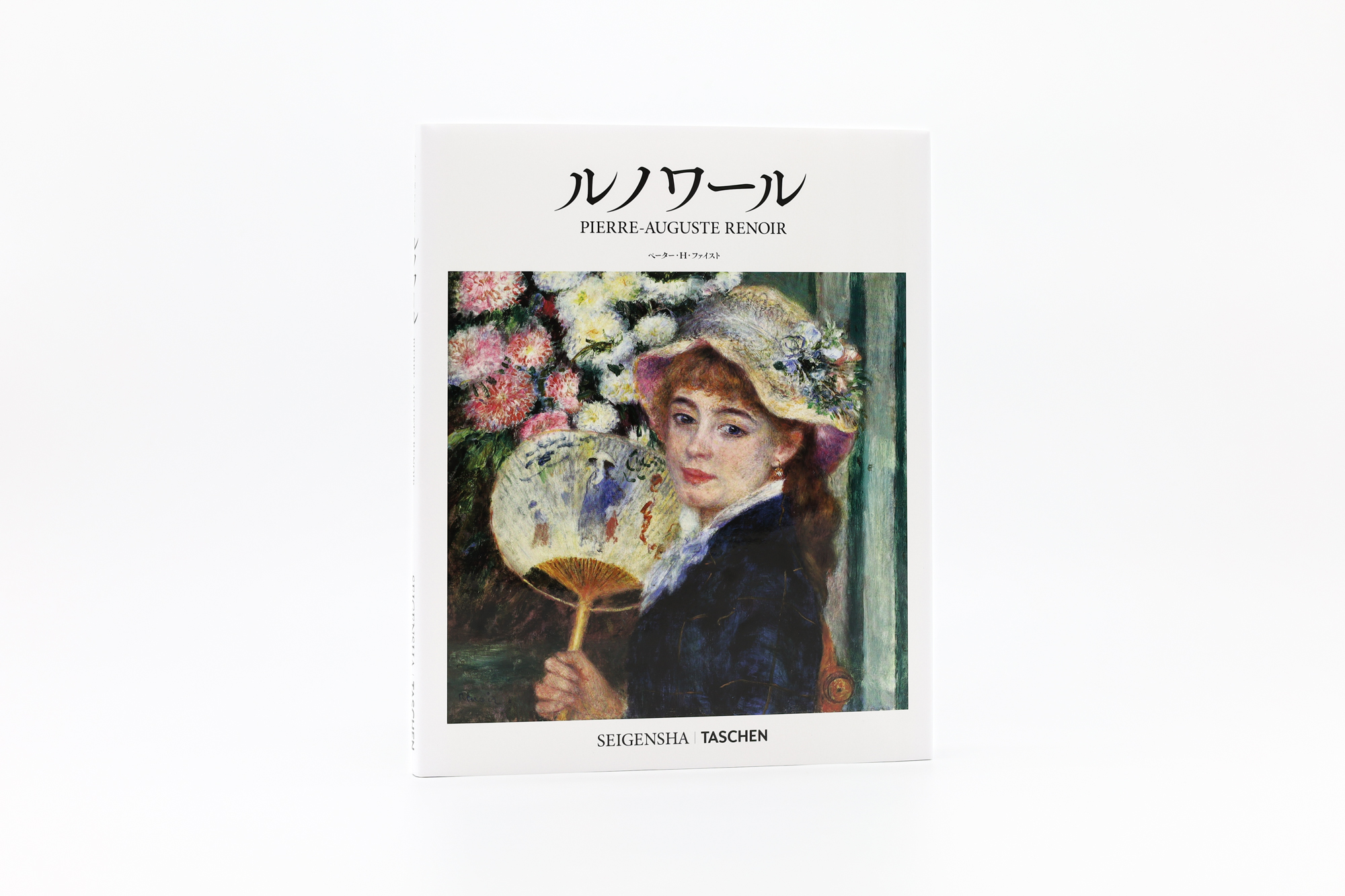
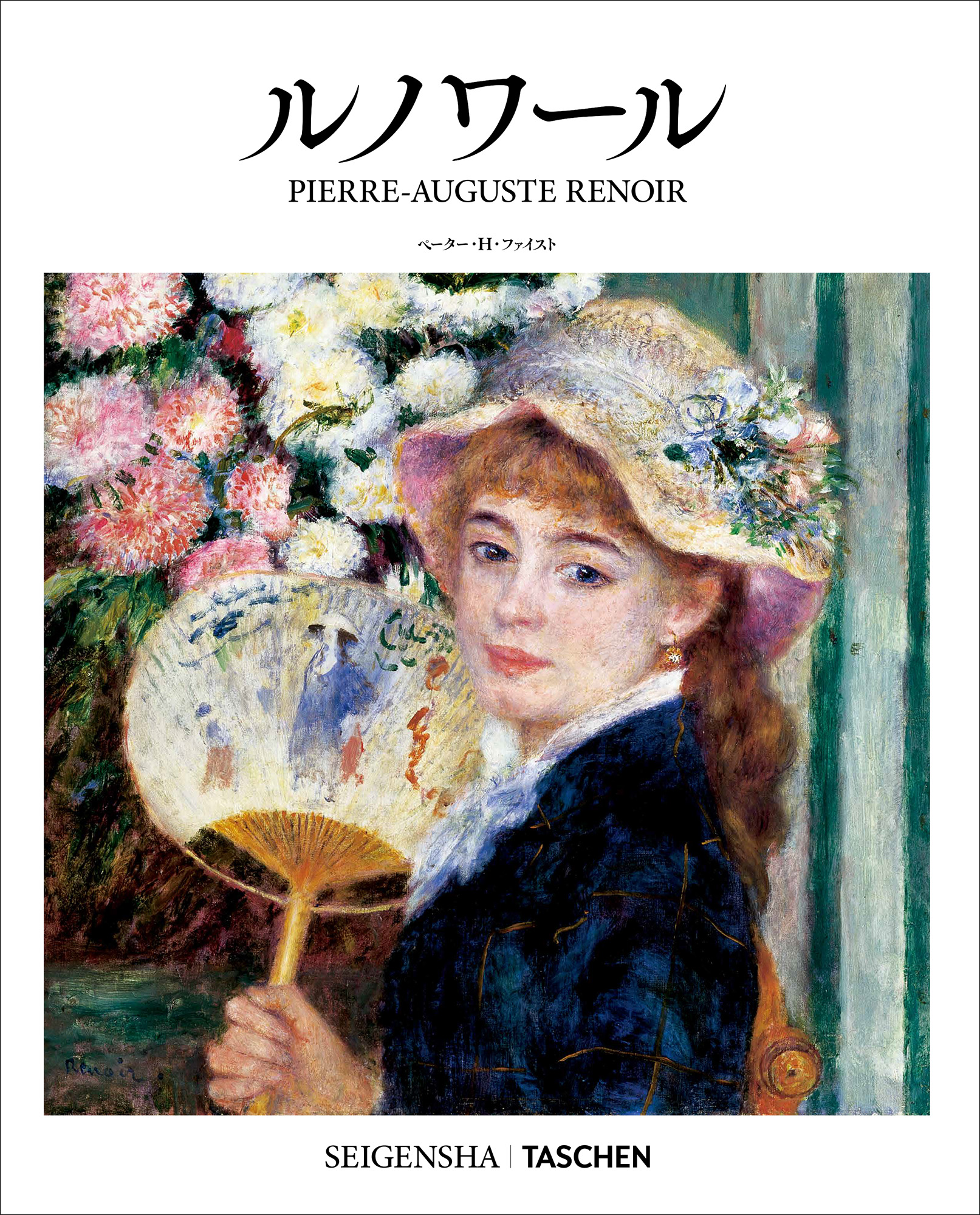
Seigensha | Taschen Basic Art Series: Pierre-Auguste Renoir

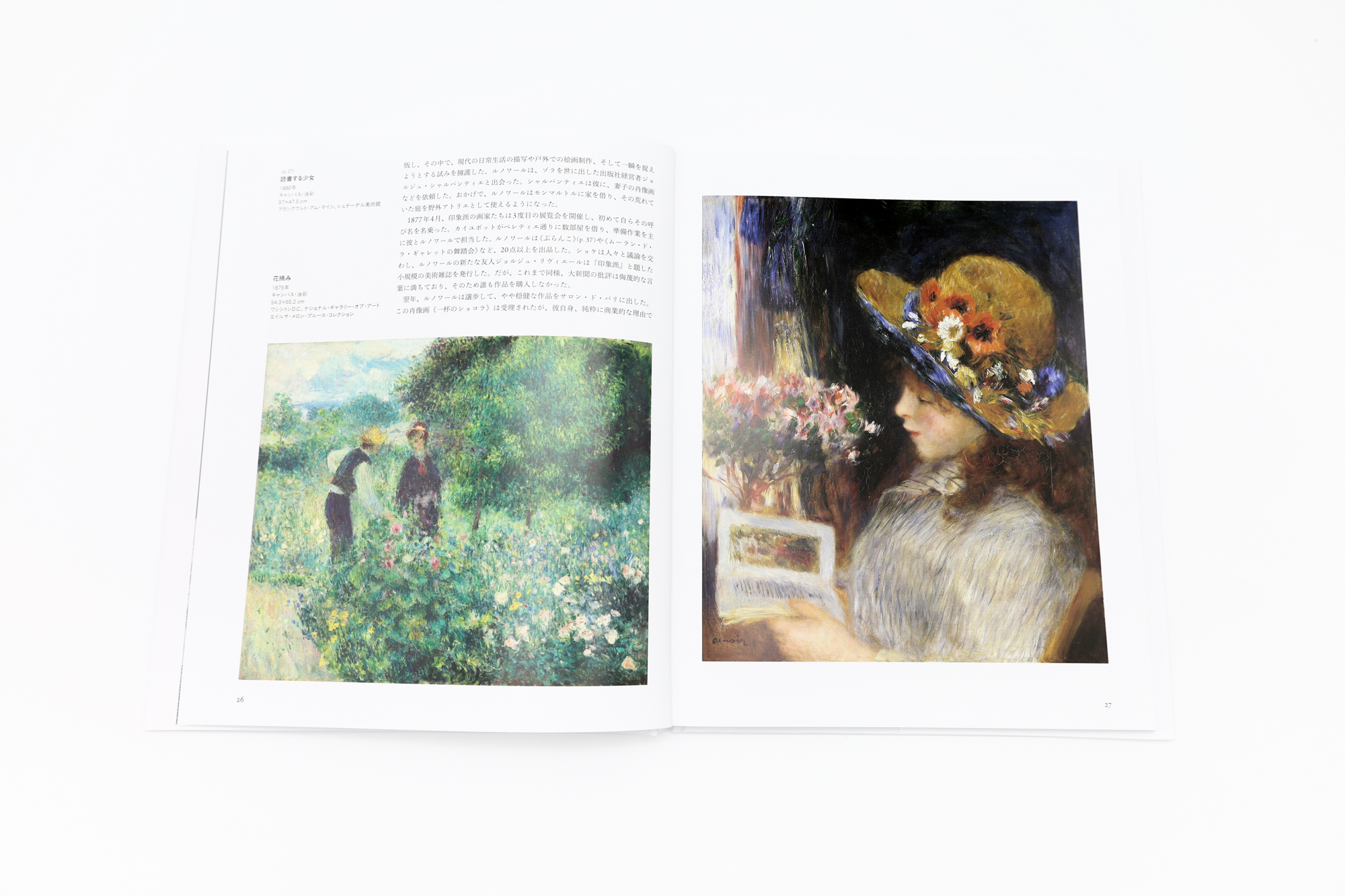

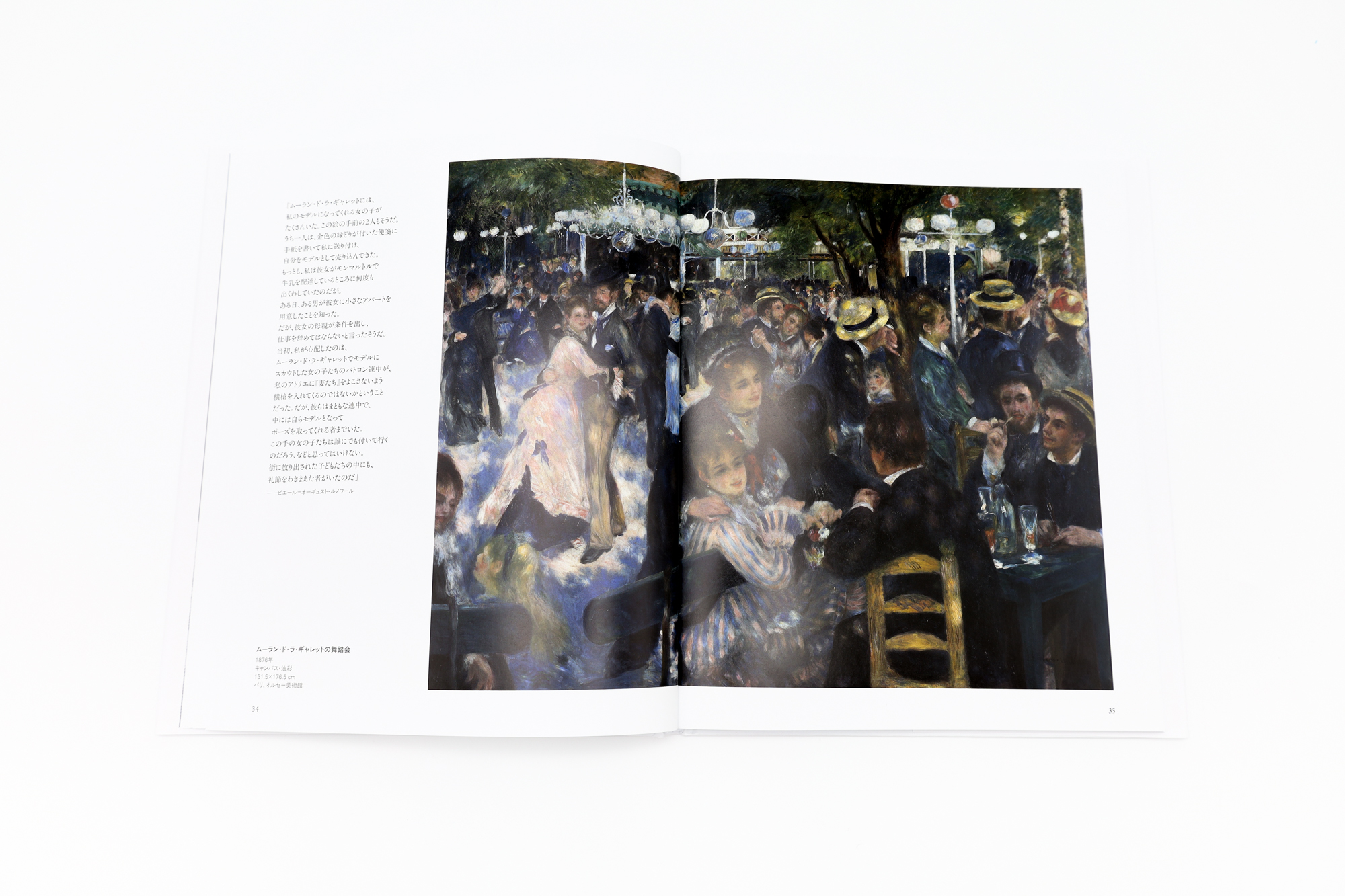
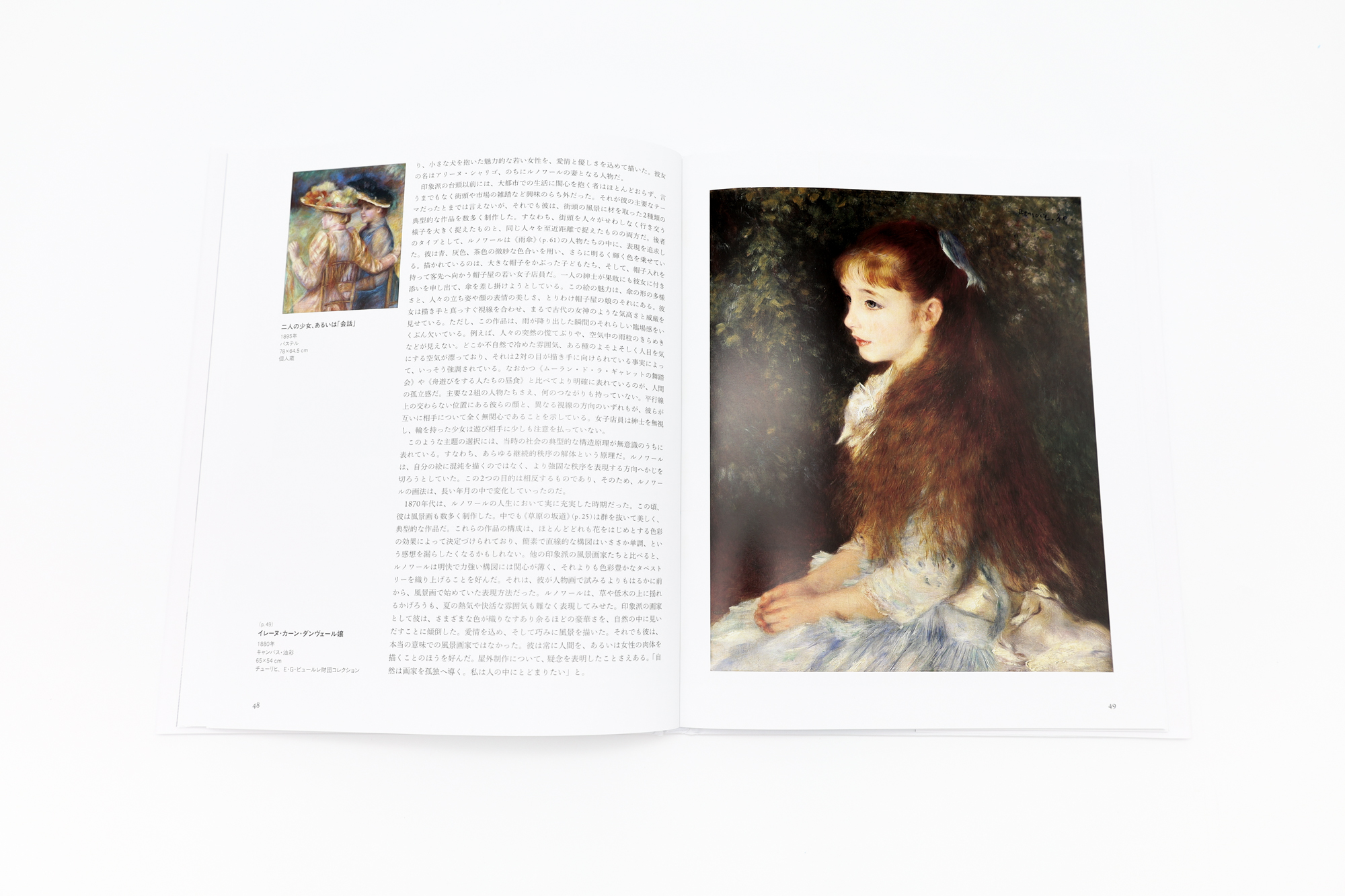
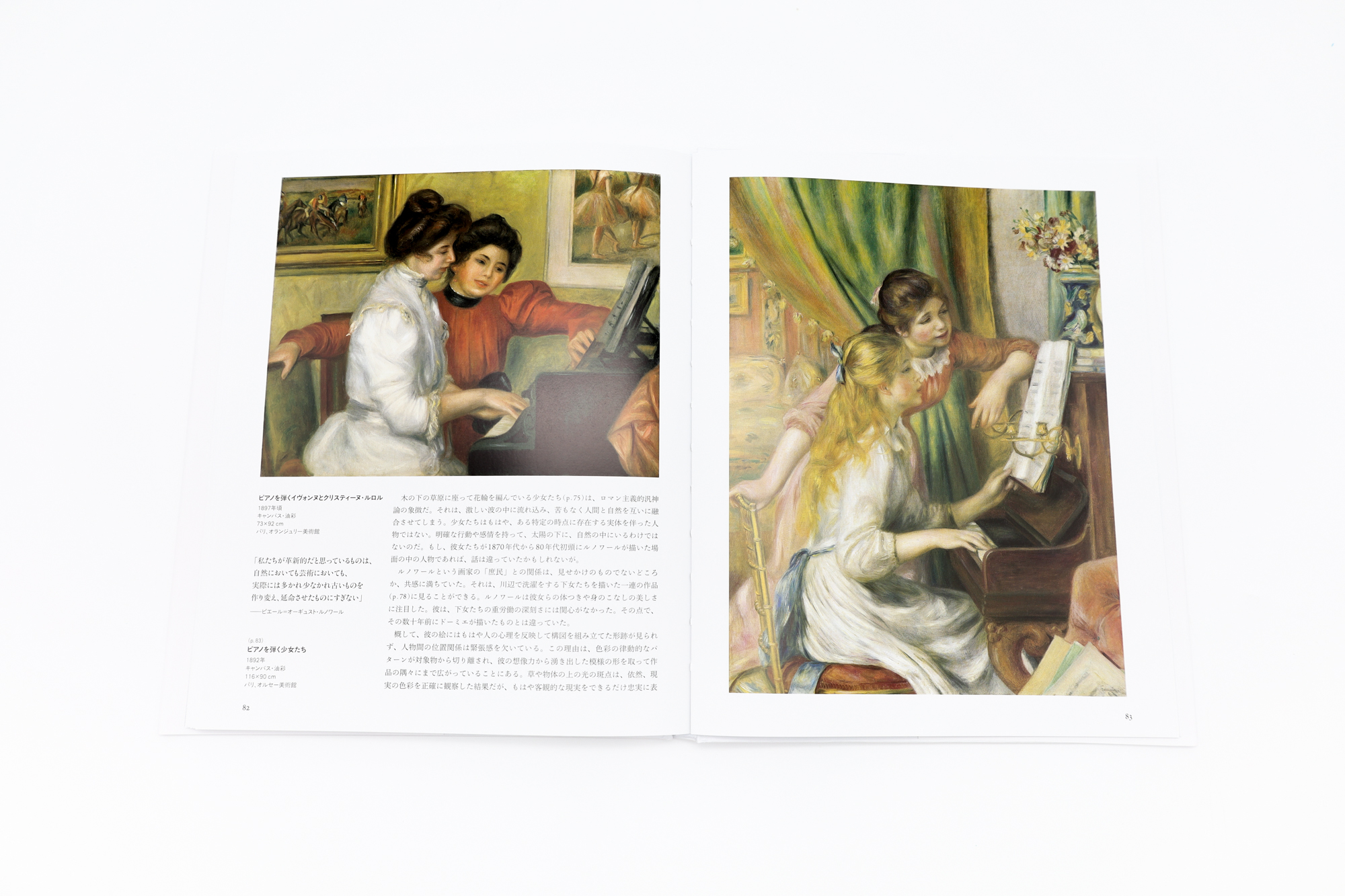



- Price:
- 2,500 yen (JPY)
- Author(s):
- Peter H. Feist
- Language(s):
- Japanese
- Size:
- 266 × 216 × 12 mm, 600 g
- Pages:
- 96
- Binding:
- hardcover
- Release date:
- 20260601
- ISBN:
- 978-4-86831-027-3 C0071
Introductory yet authoritative: Taschen’s Basic Art Series comes to readers in Japan.
Related books

Seigensha | Taschen Basic Art Series: Francis Bacon
Luigi Ficacci

Seigensha | Taschen Basic Art Series
Claude Monet
Christoph Heinrich

Seigensha | Taschen Basic Art Series
Vincent van Gogh
Ingo F. Walther
[Art] Books in the category
New Books
NewSelected Masterpieces from the Museum of the Imperial Collections, Sannomaru Shozokan
New Books
Le Petit Musée: Johannes Vermeer (new edition)
Johannes Vermeer
New Books
Kikon: Portrait of the Noble Steed
Tomoyuki Nagase
New Books

Since its launch in 1985, the Basic Art Series by German art-book publisher Taschen has garnered fans among art lovers the world over. Each installment brings scholarly yet accessible text and attractive plates together into a compact volume that offers a quick grounding on its featured artist. The series encompasses some 200 titles (and counting) and is available in more than twenty languages.
Seigensha is proud to bring this bestselling series to Japanese readers. Our second set of titles, out in April 2026: Pierre-Auguste Renoir and Francis Bacon.
“One morning, one of us ran out of black; it was the birth of Impressionism.”
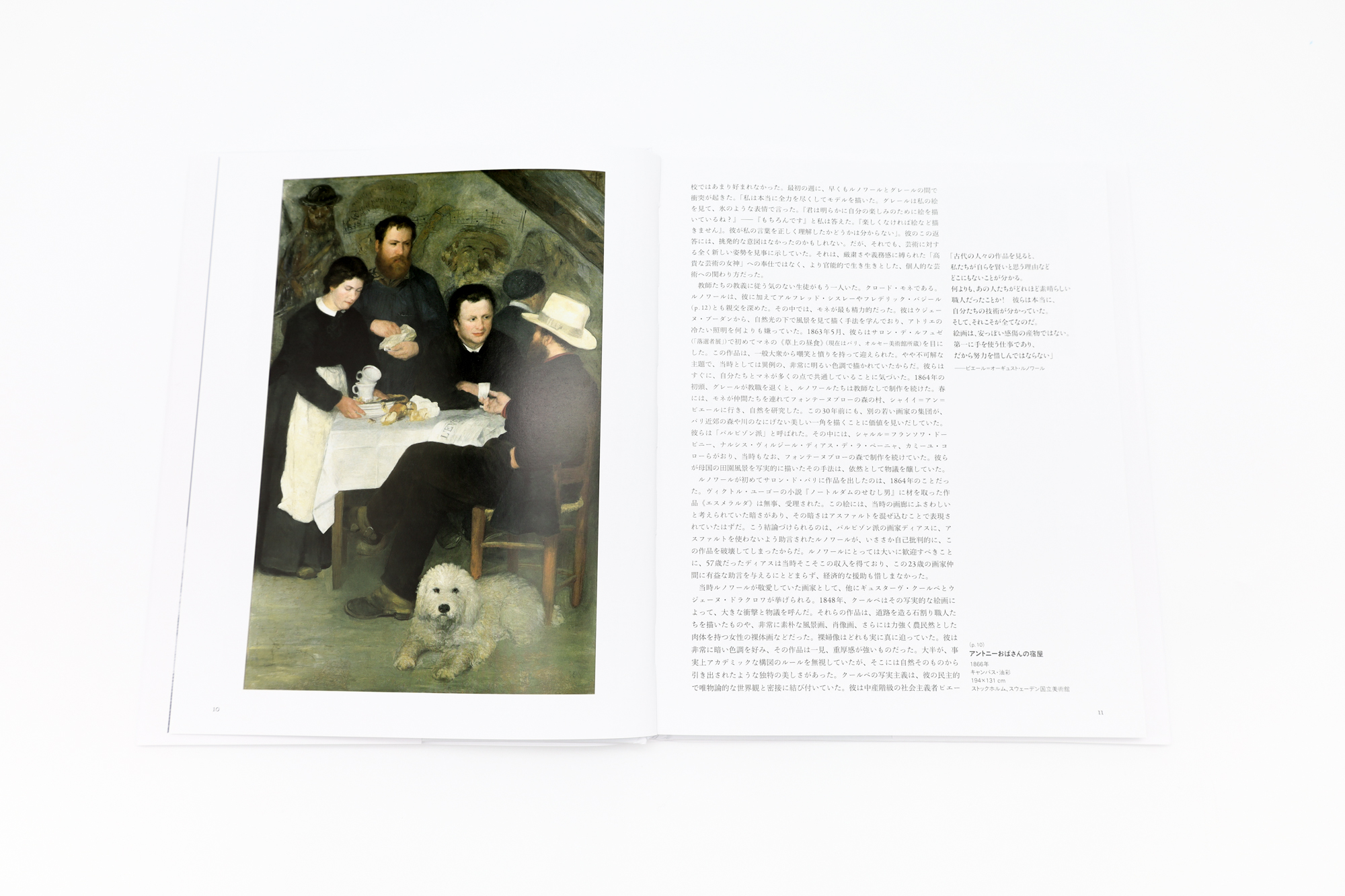
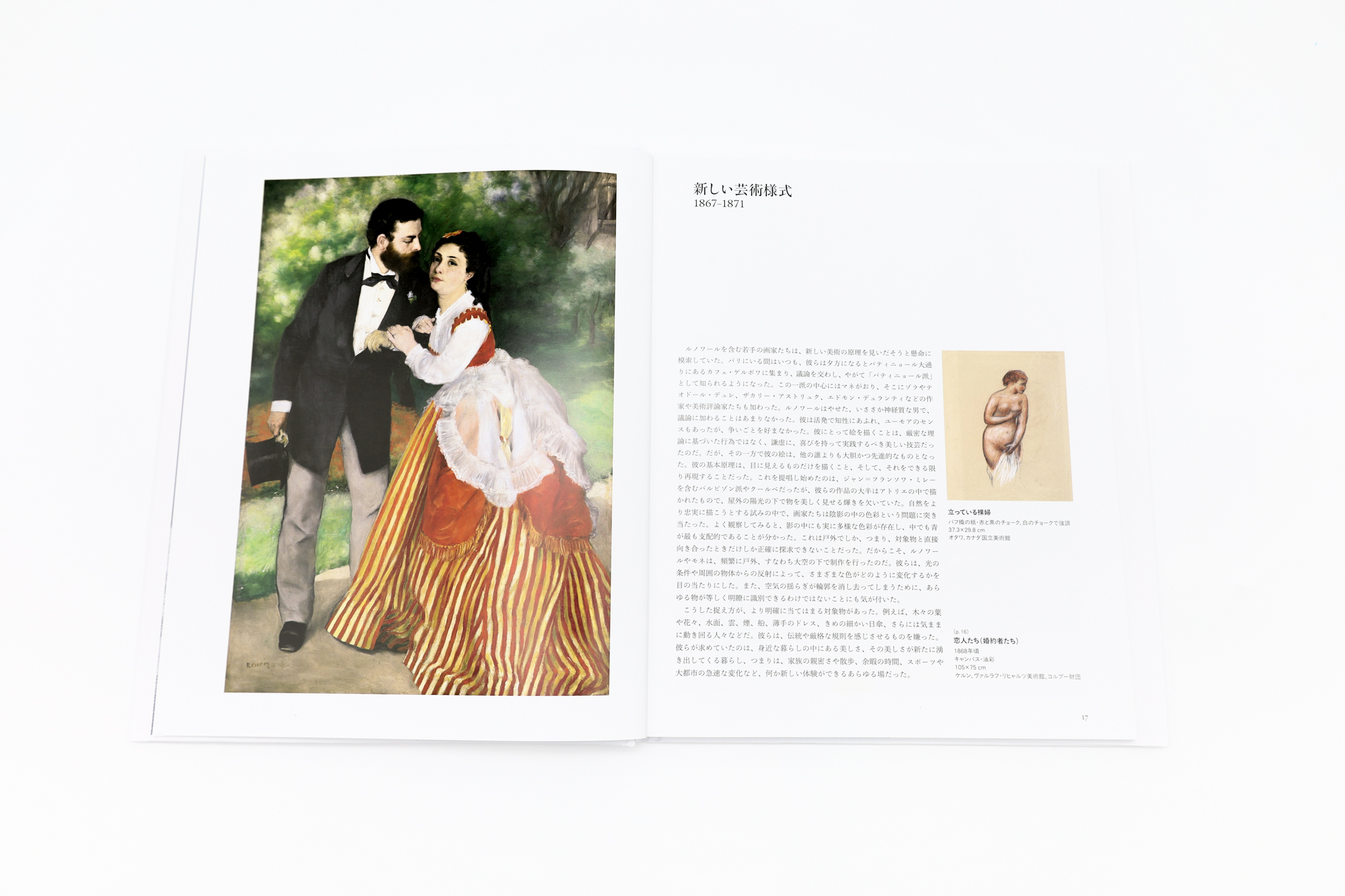
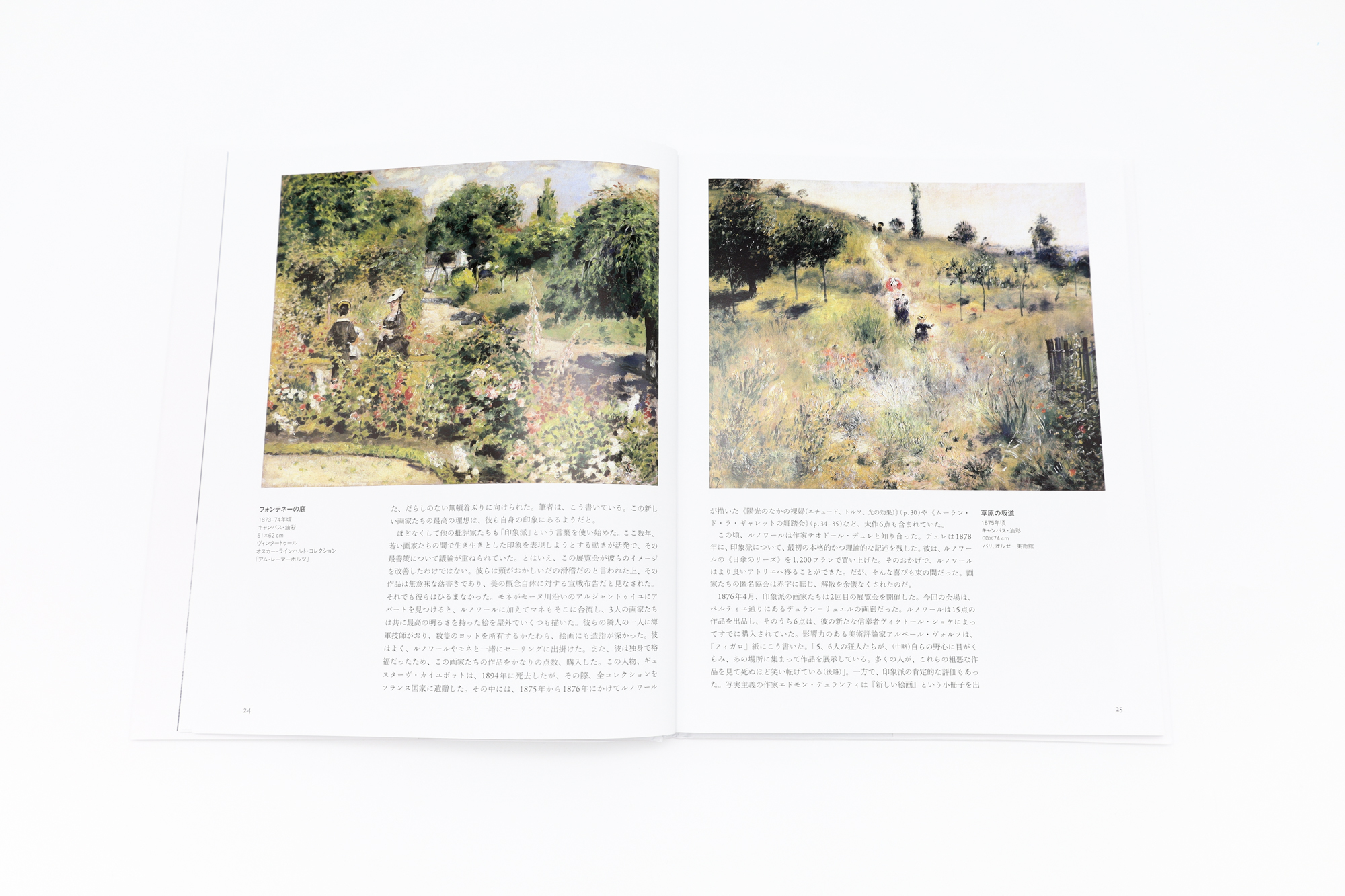
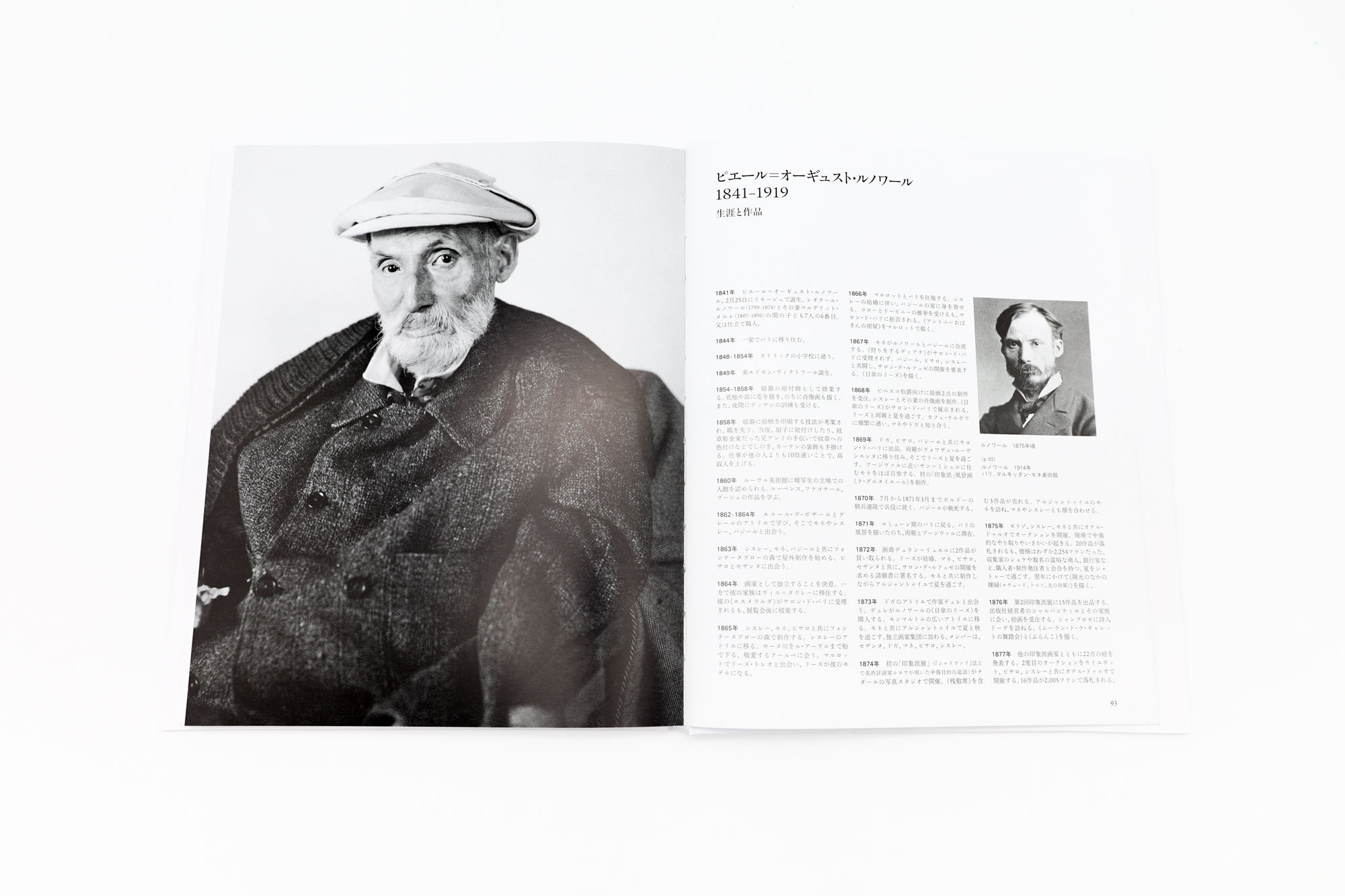
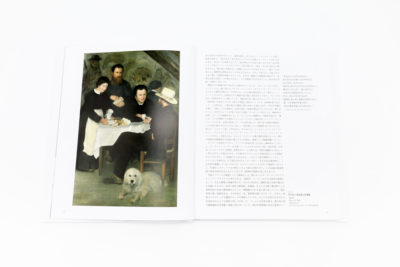
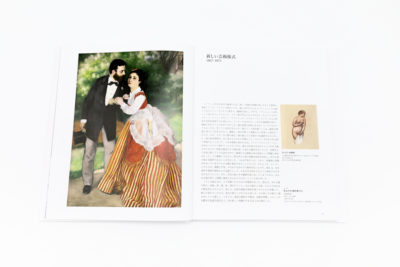
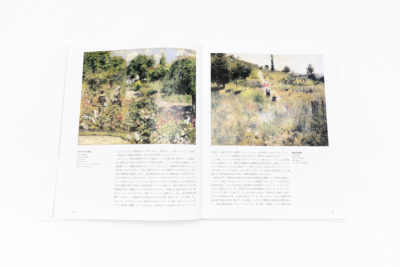
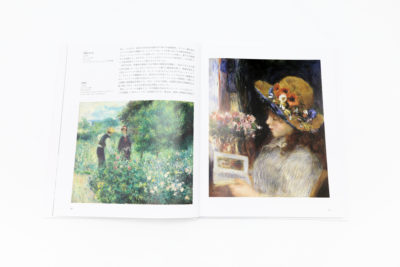
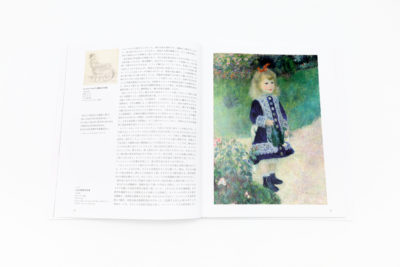
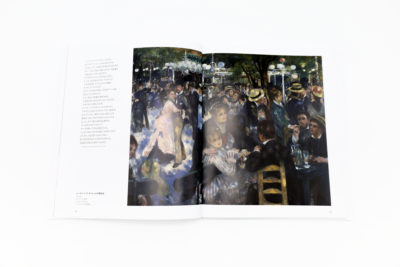
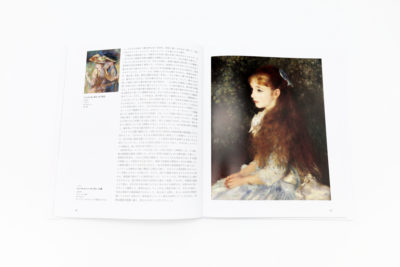
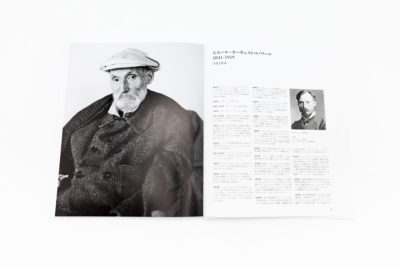
The sun-lit, voluptuous paintings of Pierre-Auguste Renoir (1841–1919) are perennial favorites. An innovator of color alongside fellow Impressionists such as Claude Monet, he produced radiant canvases reflecting his enchantment with the intimacy and tenderness of young girls, of mothers, of nudes. From La Promenade (1870) to Dance at Le Moulin de la Galette (1876) and Two Young Girls at the Piano (1892), this volume presents seventy-seven major works from the thousands in Renoir’s output. Together they bring alive the trajectory of an artist who despite his many adversities—poverty, war, the ravages of old age and illness—always sought the joy to be had in life.